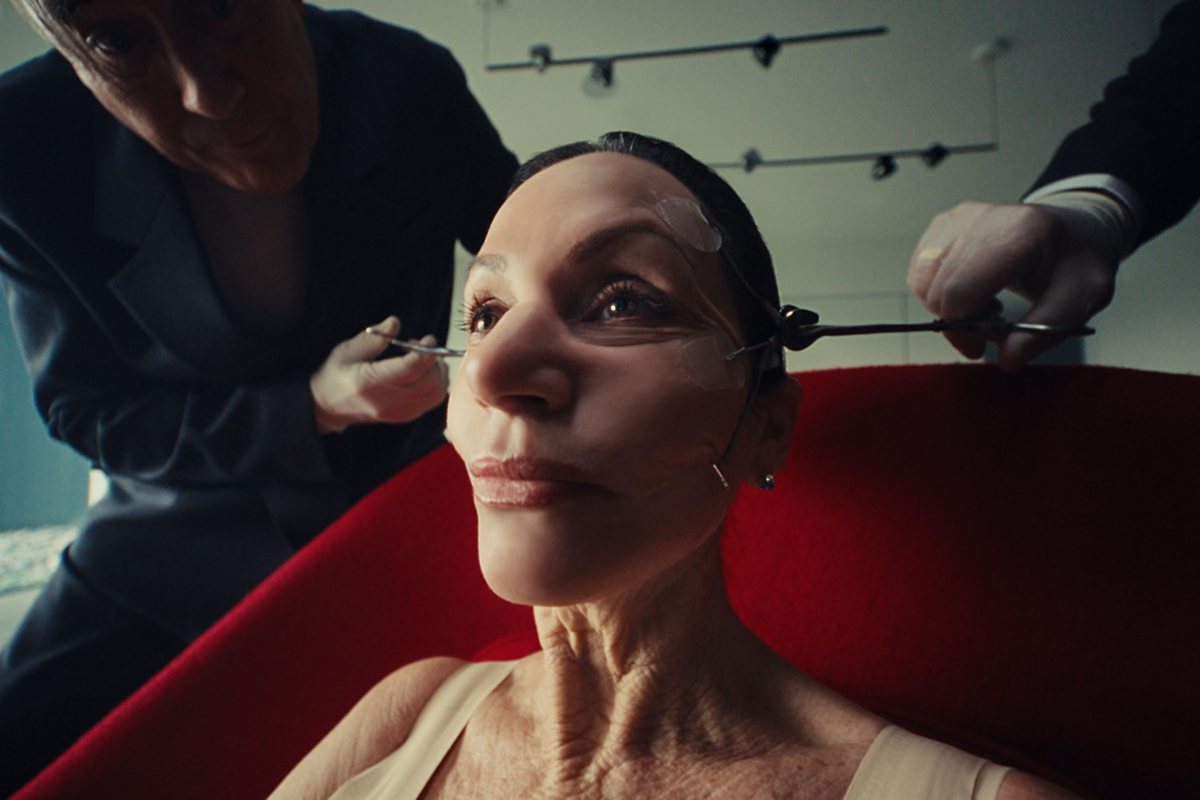
Care isn’t delivered — it’s sold.
Spent
Healthcare affordability is a top economic concern for Americans. US households now spend $557B out of pocket annually, accelerating demand for cash-pay care across GLP-1s and diagnostics.
With Big Insurance facing scrutiny, consumer health platforms are opportunistically reshaping public perception through mass advertising, celebrity partnerships, and cultural moments.
Big Game
Consumerism’s main stage, the Super Bowl will showcase a healthcare showdown.
Anarchists. Hims & Hers teased its Super Bowl commercial “Rich People Live Longer,” criticizing preventative care as a luxury good. The ad highlights labs, early cancer detection, peptides, and metabolic health, with Hims democratizing treatments typically reserved for the wealthy.
Celebrities. Ro will make its Super Bowl debut this year, tapping Serena Williams to promote GLP-1s for weight loss, improved biomarkers, and reduced joint pain. Costing up to $20M, CEO Zach Reitano said the investment is worth it to establish Ro with a national audience.
Old guards. Not to be outdone, Novo Nordisk and Eli Lilly spent nearly $500M and $214M, respectively, advertising GLP-1s in the US through the first nine months of 2025.
Proof Point
Coinciding with rising HSA spending platforms and alternative insurance plans, consumer-driven healthcare is gaining steam — with the White House teasing potential policy-level change in its “Great Healthcare Plan.”
As patients become shoppers, brand awareness and willingness to pay could shape care decisions more than insurance or institutions — forcing companies to balance clinical rigor with marketing claims.
Looking ahead: American healthcare is undergoing an overdue shakeup, with pros and cons. Sensing change, drugmakers and prescribers are jockeying to be the people’s provider.




![ANIMAL [a listening gym] installation](https://insider.fitt.co/wp-content/uploads/2026/08/ANIMAL-Exhibit-e1786733524804-768x512.png)