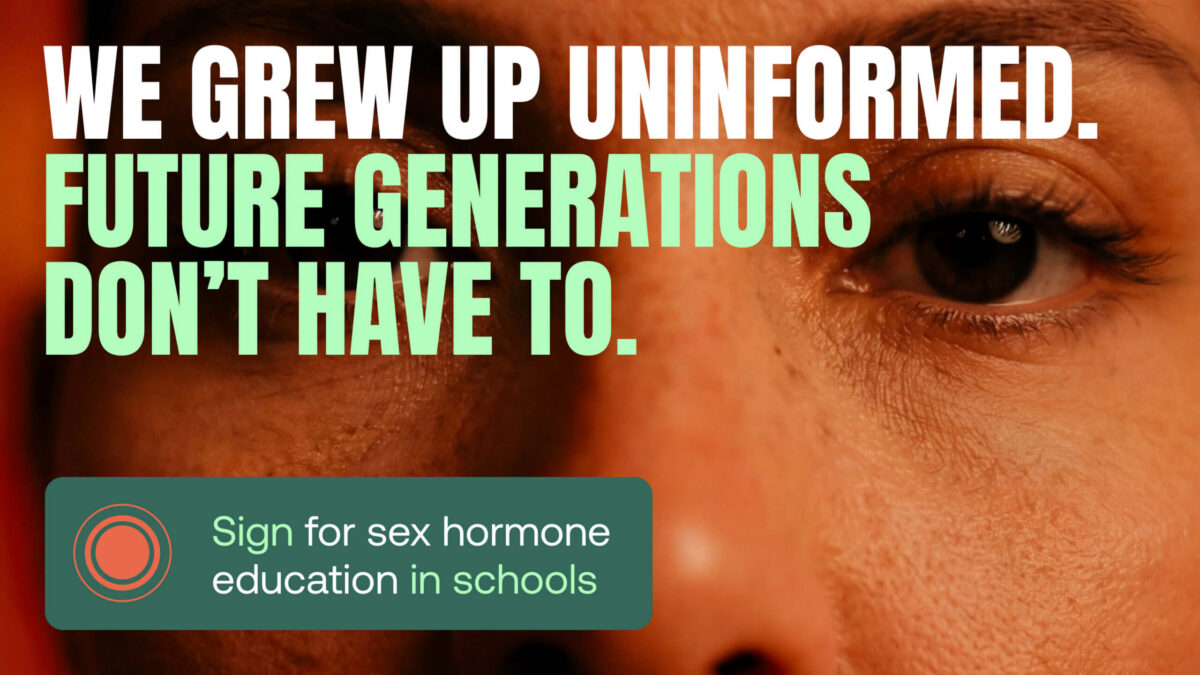
Mira, a leading hormonal health company, today announced the launch of a national petition aimed at closing a dramatic gap around hormonal health in sex education in the United States, aligning with the company’s annual Sex Hormones Awareness Week.
Mira’s petition calls for mandatory, medically accurate, comprehensive sex and hormonal health education in all U.S. public schools, informed by clinical research and public health best practices. The proposed curriculum addresses reproductive and hormonal health across the lifespan, from puberty through perimenopause and menopause, including:
-
Fertility literacy and family planning at different life stages
-
Hormonal regulation and menstrual cycle phases
-
Reproductive hormones’ influence on sleep, metabolism, stress, and overall health
-
Early recognition of hormonal imbalances and conditions such as Polycystic Ovary Syndrome
The company’s call for reform follows years of research into hormone literacy. In surveying its community, the company found that 90% of women say sex education did not prepare them for real life. Many report learning about ovulation timing, fertility windows, or hormonal disorders only after experiencing irregular cycles, severe symptoms, or delayed diagnoses.
Current policies help explain why so many women are left out in the dark about their own bodies:
-
39 states and Washington, D.C. require abstinence to be emphasized when sex education is taught
-
Only 19 states require instruction to be medically accurate
-
Only 4 states require menstrual health education beyond basic puberty
Key topics such as how to recognize abnormal cycles, when to seek medical care, and how hormones influence overall health are frequently absent from curricula. Without this foundation, many women normalize severe symptoms, delay care, or rely on inconsistent online information.
“Sex education should be grounded in accurate medical information about female hormones, normal physiological changes from puberty through adulthood, and the biological rhythms that influence sleep, mood, metabolism, and overall health. When education reflects these realities, it empowers young women to understand their bodies, make informed choices, and build habits that support long-term well-being” – commented Dr. Jessica Nazzaro, OBGYN at Cleveland Clinic and Medical Advisor at Mira.
The initiative represents the culmination of Mira’s multi-year mission to advance hormone literacy. During the upcoming months, Mira will release new research findings, convene medical and policy experts, and host advocacy-driven programming to elevate national standards for reproductive and hormonal education.
“At Mira, our work in hormone research and direct engagement with thousands of women has made one thing clear: the knowledge gap is real, and it has consequences. We see this initiative as part of a broader responsibility to elevate hormone literacy and ensure the next generation is better informed than the last,” — Sylvia Kang, CEO and Co-Founder of Mira.
By addressing the education gap at its source, Mira aims to empower women with the knowledge they need, strengthen health outcomes, and advance an evidence-based approach to reproductive health nationwide.
To support comprehensive, medically accurate sex and hormone education in U.S. schools, sign the petition here.
Mira is a San Francisco-based hormonal health company providing integrative care and hormonal testing Mira was founded in late 2015 with a mission to develop data-driven hormonal health solutions to help women make confident health decisions during every stage of their lives – from the menstrual stage to menopause.
For more information on Mira, please visit miracare.com.