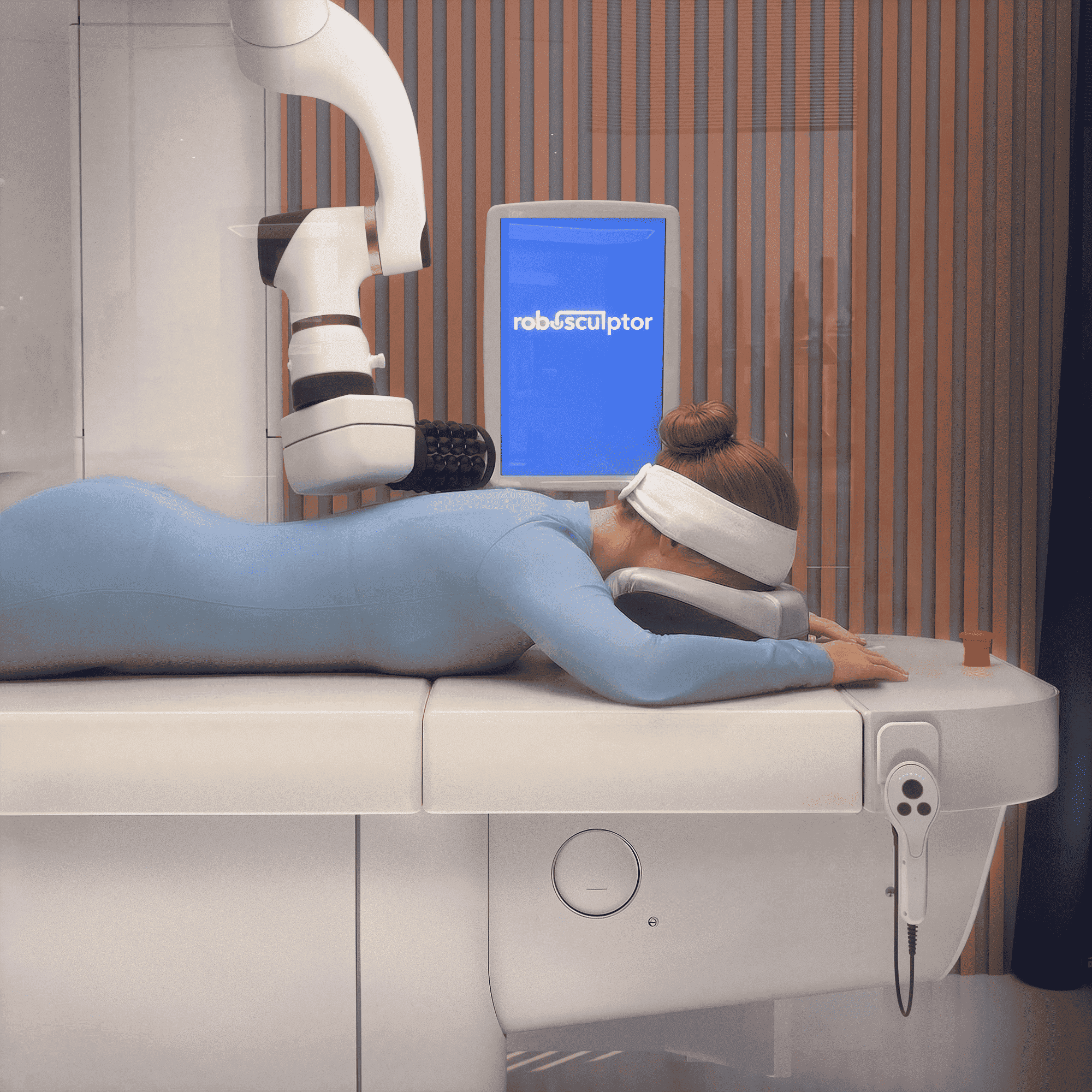
According to a survey by Dubai-based Robotic Therapeutics, a manufacturer of robotic and aesthetic devices including the roboSculptor robotic massage system, 45% of people interested in massage performed by robotics complex instead of human are between the ages of 30 and 39. Nearly a quarter are 18 to 29. The survey included more than 100 respondents. Most of those who expressed interest were women (73%).
The findings reflect a wider trend: younger consumers tend to prioritize health and wellness more than older generations, said Dennis Ledenkof, the company’s founder. Research from McKinsey shows that Gen Z and Millennials are more likely to spend money on wellness products and services. Data from the World Economic Forum supports that pattern. About 66% of Gen Z use digital health tools such as fitness trackers and wellness apps, compared with roughly 40% among older age groups.
The trend is also influencing the global travel industry as people under 30 represent one of the largest audiences for wellness tourism, a fast-growing market projected to reach about $1.4 trillion by 2027. In particular, hotels and wellness centers are introducing robotic massage and other high-tech treatments. Examples include Four Seasons, Equinox, and Lotte New York Palace, as well as Ki Space Hotel and Spa and the New York wellness club Remedy Place.
Resorts around the globe are also adding other treatments aimed at younger guests who prioritize health and recovery. These include sleep-optimization and digital-detox programs. At Spain’s SHA Wellness Clinic and Switzerland’s Chenot Palace Weggis, for example, guests can undergo sleep diagnostics, light therapy, and personalized programs designed to restore circadian rhythms. The fitness-focused hotel SIRO One Za’abeel in Dubai integrates performance training, sleep-optimized rooms into the guest experience. And at Jumeirah Marsa Al Arab, Talise Spa offers advanced treatments such as cryotherapy, red-light therapy and hyperbaric oxygen therapy.
Although wellness tourism is a growing global trend, the most promising market is the United States, Ledenkof said, citing global statistics. The sector is expected to reach $718.8 billion there by 2030, according to recent estimates. “We see strong interest in robotic systems from spas and fitness centers in the country. That’s why we’re now looking for a U.S.-based strategic partner,” Ledenkof said. He expects demand to rise as more young people visit these facilities and seek technology-driven treatments. “Many of them grew up with smartphones and other devices, so advanced technologies feel natural to them,” he added.
RoboSculptor is a fully autonomous robotic platform for delivering wellness and aesthetic body treatments. Built on its proprietary RoboGlide platform, it uses AI-driven vibrocompression therapy to deliver consistent, high-precision massage sessions tailored to individual body contours and treatment goals. Designed for commercial use in spas, wellness centers, hotels, and biohacking clinics, the system requires minimal operator involvement.