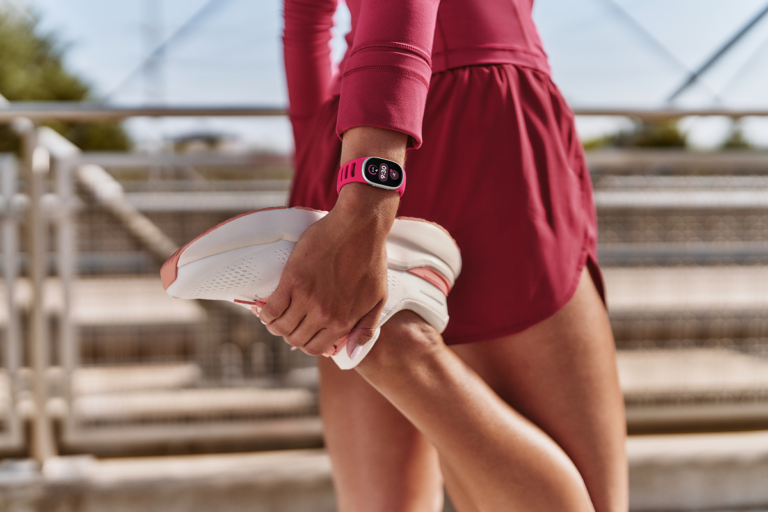
Performance apparel is being exposed.
What’s happening: Texas’s Attorney General is investigating lululemon over “forever chemicals” in its fabric, probing whether the brand misled consumers about the risks of cancer, infertility, and hormone disruption.
Pushing back, lulu claims it already phased them out and only used them in select waterproof products.
Tradeoffs. Built to perform, activewear relies on synthetic materials and chemical treatments. Transforming training and fashion, brands like lulu prioritized function over everything. Now, that value prop is shifting.
On watch. Already weary of food and personal care products, ingredient-aware consumers are rethinking apparel. More than 70% of US adults are concerned about chemical exposure, with five in six seeking greater safety and transparency.
As toxin exposure enters mainstream wellness, dermal absorption is under scrutiny. Still early, as awareness of risks remains low, synthetics dominate sales while alternatives stay niche.
Punchline: Activewear is becoming a health input. As expectations shift from function to composition, material transparency will become a differentiator for challengers and a liability for incumbents.