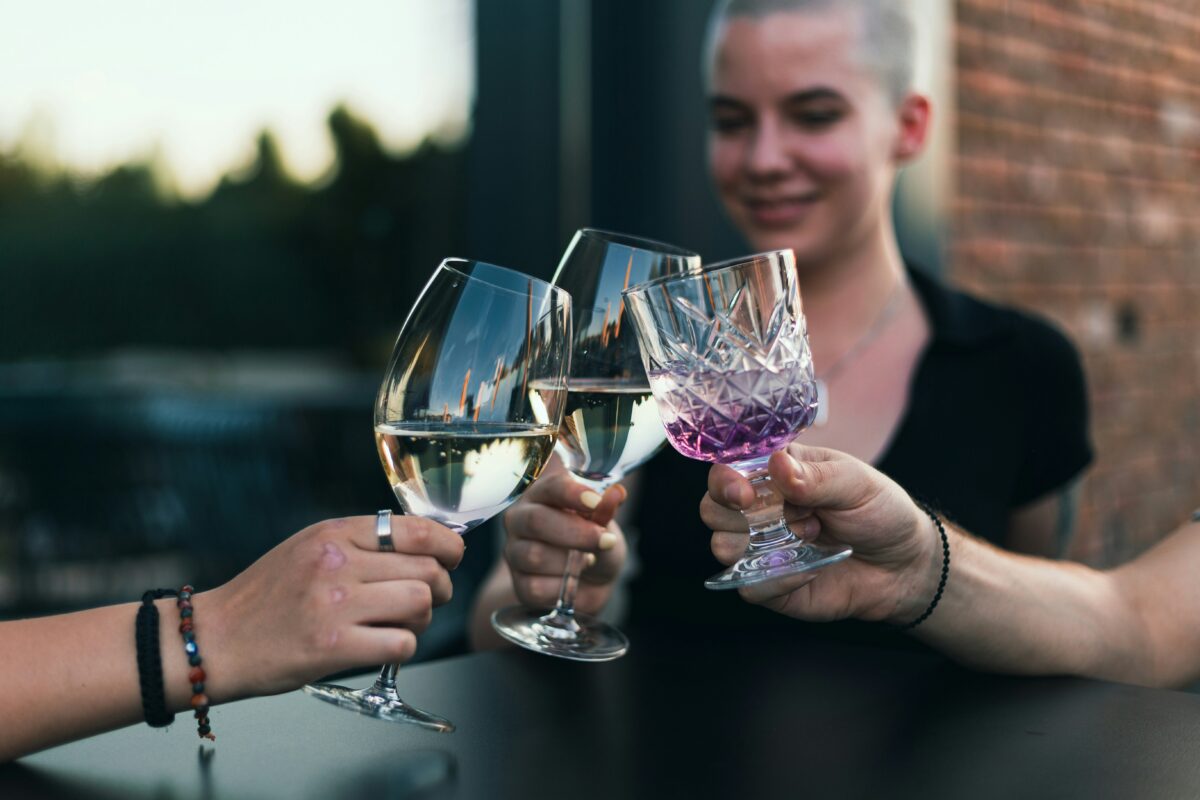
Alcohol is being reevaluated.
Backpedal
A New Consumer report suggests perception of booze is shifting faster than behavior.
Lowdown. More than half of Americans now think moderate drinking is bad for health, up from 25% in 2016. Yet, 70% still value its social effects, and most would give up soda before alcohol.
Less than half of those who say drinking is unhealthy plan to cut back, and surprisingly, wearable users report drinking more than non-users.
Contrary to headlines, ~70% of Gen Z and millennials say they’re drinking the same or more than a few years ago, with restaurant spending reaching new highs.
Plot twist. Skewing numbers, >40% of Gen Z have yet to reach legal drinking age, most had their social lives interrupted by COVID, and a record number of 25–34-year-olds still live at home — making their abstinence more circumstantial than ideological.
While high school drinking has fallen to record lows, the share of 19–30-year-olds who imbibe has held steady at 60% for 30 years.
Reading the Room
Prohibition isn’t happening, but consumption habits are adapting to wellness-oriented lifestyles.
GLP. 72% of GLP-1 users aren’t reducing intake, though many are trading up and stepping out, swapping solo sips for top-shelf social situations.
THC. Despite cannabis usage doubling since 2010, it hasn’t displaced alcohol. Choosing both, cannabis users are drinking more on average than non-users.
RTD. Designed for moderation, RTD and NA beverages are gaining as legacy sales stagnate, with consumers seeking low-ABV options for any occasion.
TL;DR. Alcohol isn’t dying, but Wellness 1.0 is. Pursuing meaning over metrics, a growing number of consumers are questioning whether a perfect recovery score signals well-being — or a day left unlived.
Considering life’s purpose beyond self-preservation, people are indulging intentionally — embracing booze for bonding, recognizing its historical role, and celebrating the shared ritual.
Taking note, Heineken is positioning itself as an analog lifestyle champion, dropping a “Social Off Socials” campaign and hosting IRL cultural experiments. On the NA side, Athletic Brewing is upping marketing spend by 120%, continually popping up at grassroots events, and nudging into sports arenas.
Takeaway: Most people don’t want to not die — they want to live. As optimization culture fades, young consumers are reconsidering alcohol’s role in releasing inhibition.