
Bringing AI to every fitness floor.
👀🔎 The Fitt Insider 2026 Scouting Report search is on. We’re creating the definitive index of next-gen startups shaping the future of well-being. Submit or nominate a company here.
Dermatology is connecting dots.
AI-esthetics
In our Beauty x Wellness report, we explored the world of aesthetic medicine — a rapidly growing sector stifled mostly by poor positioning and muddled messaging.
But as brands sharpen their value props—embracing scientific credentials, education, transparency, and skin-specific biometrics—preventative dermatology is poised for takeoff.
Skin Longevity
Growing evidence suggests the skin microbiome is a window to overall wellness, with bidirectional links to the gut, brain, and heart.
Beyond acne or wrinkles, skin is an overlooked frontier for health-seekers — a potential early warning system for autoimmune disorders, CVD, bone loss, and even cognitive decline.
Finally seeing skin as a vital organ, beauty products are evolving from blemish-masking tools to barrier-supporting and cellular health solutions.
A clear signal, legacy leaders like Unilever, L’Oréal, Estée Lauder, LVMH, and Beiersdorf are investing in longevity, pursuing next-gen formulas rooted in epigenetics.
Diagnostics. Dermatologists don’t have time to screen everyone, and no universal guidelines exist — meaning over half of melanoma cases are self-detected. With skin cancer rates doubling in recent decades, the $5B dermatology diagnostics market is ripe for AI.
Adding $16M in Oct., DermaSensor’s FDA-cleared, AI-driven device brings skin cancer screening to primary care. Overseas, the UK’s NHS is piloting Skin Analytics’ DERM tech to triage. Aiding R&D, SciBase’s AI tool quantifies skin barrier function to assess cosmetic product claims.
360° systems. As cutting-edge science trickles down to consumers, product discovery and delivery models could see an overhaul.
Personalizing teledermatology, ODDITY’s newly launched METHODIQ combines AI diagnostics, clinician input, oral medications, and topicals, with future plans for makeup and liquid supplements.
Using skin as a launching point, Nolla delivers AI-powered mole assessments and acne management, plotting expansion into everyday health. Developing self-administered injection tech, Indomo aims to shift point of care from office to home.
Sci-fi support. Consumer platforms x wearables could soon track the skin microbiome, blood biomarkers, genetic profiles, and environmental exposures for a “whole-body health map.”
Linking disparate data, subscription-based “skin health reports” could be commonplace, with at-home biome tests doubling as general health check-ins, and the unfiltered epidermis acting as an indisputable litmus test.
Instead of clearing skin at all costs (i.e., using harsh chemicals with systemic side effects), consumers will be given tools to address root causes of dysfunction.
Takeaway: Skincare is more than skin deep, and we’ve just scratched the surface. The convergence of dermatology, microbiology, immunology, genomics, and environmental science could create a “skin-first” wellness paradigm.
🎙 On the Podcast
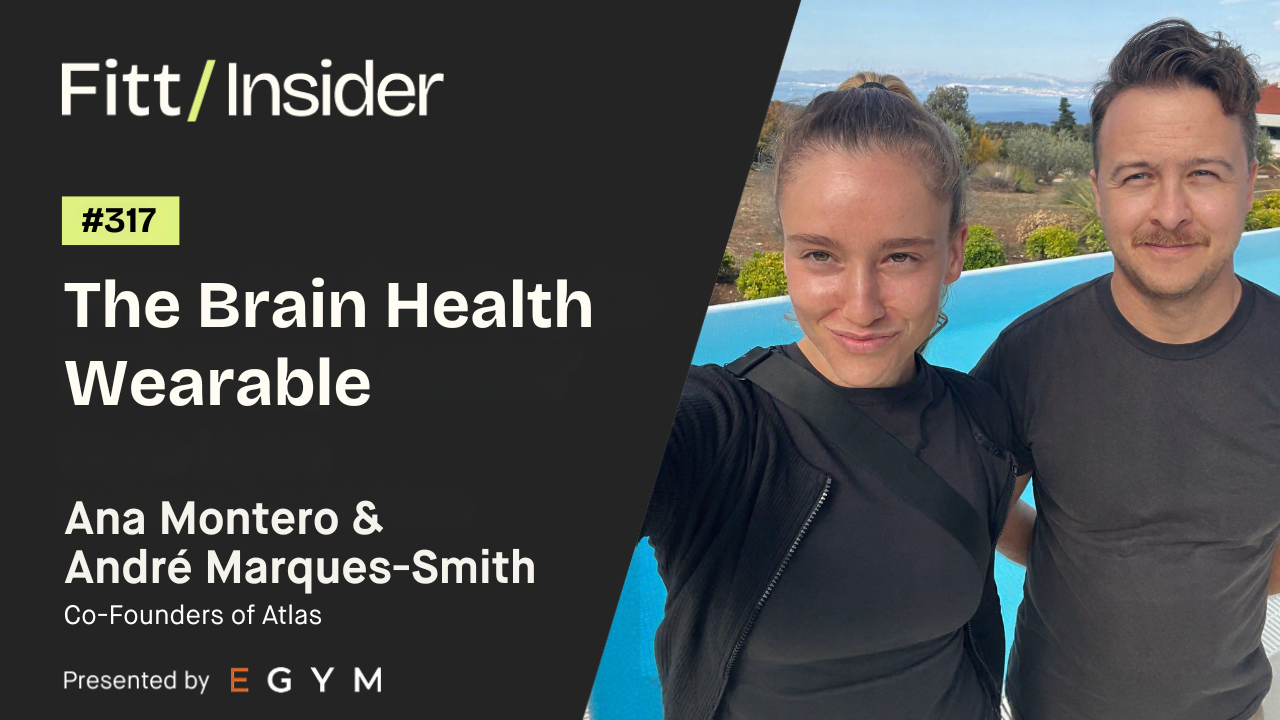
Atlas co-founders Ana Montero and André Marques-Smith discuss wearable neurotech.
A behind-the-ear brain sensing wearable, Atlas tracks clarity, stress, and cognitive performance in real time, bringing neuroscience research from academia to consumers’ hands.
We also cover: Atlas’s five-year R&D process, the need for modern mental health diagnostics, and potential for preventative health breakthroughs.
Listen to today’s episode here
🧠 Gen Z treats movement as medicine
A new Blue Shield of California report finds 94% of Gen Z grapples with mental health challenges, but most are turning to self-care, exercise, and time outdoors to cope.
Mind-body. Physical activity is a top stress-reliever, ranked just behind music and movies as the most effective tool. For young people, fitness isn’t a hobby — it’s identity, community, and an accessible form of therapy.
Ripple effect. As younger generations reshape routines, gyms are becoming social and mental health hubs. Gen Z now makes up 31% of all members, hitting strength workouts, group classes, and hybrid events.
Reconnected. Scrolling social media less, IRL experiences are surging as digital platforms fuel offline “fourth spaces” — from run crews and sober raves to wellness social clubs.
Punchline: With exercise shown to be more effective than counseling for depression, Gen Z is rewriting mental health care by turning fitness communities into frontline support.
🏋️ Give Your Trainers Superpowers
EGYM is bringing AI to every fitness floor.
Smarter workouts. Combining real-time performance data with each member’s unique BioAge, EGYM Genius creates adaptive training plans — integrating free weights, smart machines, and 200+ tech partners.
✅ Members get tailored, progressive workouts
✅ Trainers deliver more support with less busywork
✅ Facilities gain modern, expert-led, and member-focused upgrades
Personalization at scale. It’s AI and BioAge working together to boost retention, efficiency, and outcomes.
Learn more → EGYM.com
🧬 The new era of precision wellness
Consumers are ditching marketing hype for clinical-grade solutions, per Euromonitor.
Self-directed. Rejecting reactive care, global spending on health goods and medical services is projected to hit $6.9T by 2026. Going off-script, OTC remedies now represent a $143B market as more people diagnose, treat, and optimize on their own.
Tech-enabled. 75% of consumers use health tracking tech, and ~40% are comfortable with at-home diagnostics. Dialed in, younger generations are opting for sleep trackers and AI copilots.
Science-backed. Supplements are fueling the $8T longevity market, but skepticism is rising. Getting clinical, 20% of new products tout third-party certification, and half of beauty shoppers are willing to pay more for scientifically formulated solutions.
Looking ahead: From AI super-apps to functional foods, spending is surging. But as choices expand, consumers will increasingly favor proof over hype.
📰 News & Notes
- Grüns preps pre-workout gummy.
- Technogym opens Saudi Arabia HQ.
- lululemon unveils NYC concept store.
- China’s Anta Sports weighs PUMA takeover.
- Equinox Hotels plans Caribbean fitness resort.
- Nearly 1 in 10 Americans report cancer diagnosis.
- FOND, Erewhon collab on seasonal bone broth drink.
- Dave Asprey brings biohacking “labs” to the Middle East.
- Clue expands wearable integrations, women’s health insights.
- Massage Envy adds Aescape robots. [Re-read: Tech x Self-Care]
- We already know your next hire: Fitt Talent offers specialized recruiting for CPG, wellness, and healthtech brands. Learn more here.
💰 Money Moves
US 🇺🇸 / Canada 🇨🇦
Digital health platform Joi + Blokes acquired women’s health platform HerMD.
Enhanced, a human performance company hosting medically augmented sporting competitions, agreed to go public via SPAC merger with Paradise Acquisition Corp.
Circular Genomics, developer of early-warning blood tests for Alzheimer’s, raised $15M in a Series A.
Sunflower, an AI-powered sobriety platform, announced $6.5M in funding.
Organic dairy company Horizon Family Brands acquired Maple Hill Creamery, a regenerative ag-committed dairy company.
Mood-boosting functional beverage maker hiyo landed undisclosed funding from concert operator Live Nation.
Ripple Foods, maker of high-protein plant-based milks, raised $17M.
Europe 🇪🇺
UK-based Emm, developer of a smart menstrual cup, raised £6.8M ($9M) in a seed round led by Lunar Ventures.
Borough Broth, a British organic bone broth brand, landed £7.5M ($9.9M) from Piper.
Finland’s Gosta Labs, an AI-driven cancer care platform, raised €7.5M ($8.7M).
FITR, a UK-based digital coaching management platform, raised £1.5M ($2M) from Maven Capital Partners.
Asia 🌏
Turkish CPG company ETİ Gıda acquired Canadian plant-based protein bar maker TRUBAR.
German confectionery company Katjes International acquired better-for-you snacking brand Graze from Unilever.
Today’s newsletter was brought to you by Anthony Vennare, Joe Vennare, Ryan Deer, and Jasmina Breen.