In the relentless pursuit of peak performance, elite athletes and sports enthusiasts are constantly seeking ways to optimise energy production, endurance, and recovery. Emerging research highlights the crucial role of two biochemical powerhouses—Nicotinamide Adenine Dinucleotide (NAD+) and Glutathione (GSH)—as fundamental to cellular energy metabolism, muscle resilience, and recovery efficiency.
Maintaining an optimal NAD⁺/NADH ratio alongside sufficient glutathione levels enhances energy metabolism, endurance, cognitive function, and recovery, making them essential biomarkers for top athletic performance. Now, for the first time, NAD levels can be measured quickly and accurately using the newly developed NADMED test.
In the relentless pursuit of peak performance, elite athletes and sports enthusiasts are constantly seeking ways to optimise energy production, endurance, and recovery. Emerging research highlights the crucial role of two biochemical powerhouses—Nicotinamide Adenine Dinucleotide (NAD+) and Glutathione (GSH)—as fundamental to cellular energy metabolism, muscle resilience, and recovery efficiency. NADs (Nicotinamide Adenine Dinucleotides) are the body’s natural forms of vitamin B3, playing a crucial role in energy metabolism, DNA repair, and cellular health. Low NAD levels can indicate underlying health issues, from stress and inflammation to chronic fatigue and metabolic inefficiencies. In the context of athletic performance, maintaining optimal NAD levels is key to sustaining endurance, preventing fatigue, and supporting faster recovery.
During moderately intense activities such as endurance running or cycling, NAD+ is reduced to NADH, fuelling oxidative phosphorylation and generating ATP molecules. This process sustains prolonged, moderate-intensity activities like distance running or cycling.In high-intensity, anaerobic activities – such as 400m sprinting -the body relies on glycolysis for rapid ATP production. Here, NAD+ plays a pivotal role in ensuring sustained glycolytic flux even under oxygen-limited conditions. Without adequate NAD+ availability, the accumulation of lactate and metabolic acidosis can accelerate muscle fatigue, impairing performance.
Beyond energy production, NAD+ plays a critical role in recovery and immune function. Intense exercise induces oxidative stress and inflammation, triggering pathways that deplete NAD+ and impair mitochondrial function. NAD+ dependent enzymes modulate inflammation and mitochondrial efficiency, accelerating muscle repair and adaptation. Glutathione, the body’s primary antioxidant, works synergistically with NAD+ to neutralise oxidative damage, reduce inflammation, and protect muscle cells from exercise-induced stress. Maintaining NAD+ levels can support post-exercise mitochondrial function, reduce inflammation, and enhance tissue repair and exercise adaptation.
Many associate NAD with supplements, which have gained popularity for their claims to boost energy and promote longevity. However, while adequate NAD levels are essential, excessive supplementation can be harmful, as extremely high NAD levels have been linked to increased insulin resistance and vascular inflammation. Understanding and tracking NAD levels allows athletes to make informed choices about diet, training, potential supplementation, and recovery strategies.
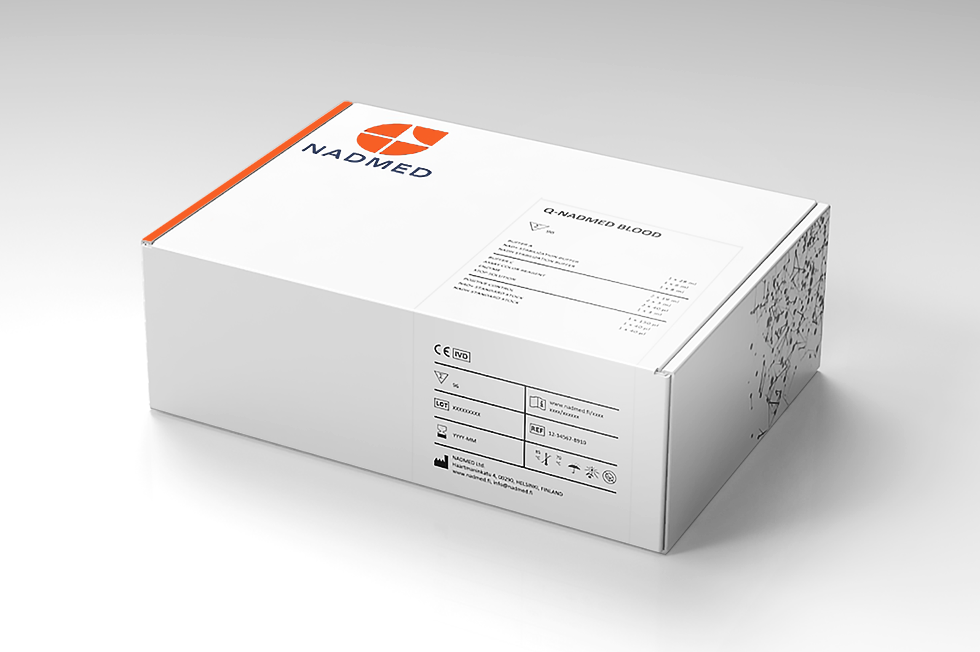
Until recently, NAD testing has been costly, slow, and often inaccurate. NADMED, a spin-out from the University of Helsinki, has introduced an innovative lab-based solution that overcomes these barriers. This new method offers a fast, reliable, and cost-effective way to measure the most common forms of NAD: NAD+ and NADH, providing a comprehensive view of an individual’s cellular health.
Jari Närhi, CEO and Co-Founder of NADMED, commented, “Understanding and optimising NAD levels can be a game-changer for athletes and fitness enthusiasts. Regular NAD testing provides insights into cellular energy metabolism, recovery efficiency, and overall performance readiness. NAD testing may help athletes tailor their nutrition, recovery, and supplementation strategies to help maximise endurance, reduce fatigue, and enhance overall fitness.”
As sports science continues to evolve, understanding the intricate role of NAD+ and glutathione in metabolism and cellular repair offers an exciting frontier for performance optimisation. With the latest advancements in NAD testing, athletes can now better personalise their training, nutrition, and recovery plans based on real-time insights.
To find out more, visit – www.nadmed.com
Until recently, NAD testing has been costly, slow, and often inaccurate. NADMED, a spin-out from the University of Helsinki, has introduced an innovative lab-based solution that overcomes these barriers. This new method offers a fast, reliable, and cost-effective way to measure the most common forms of NAD: NAD+ and NADH, providing a comprehensive view of an individual’s cellular health.
hello@agencykode.com
Kode