SCRY Bio, a pioneering molecular computing startup building physical AI for the molecular world, today announced the opening of its state-of-the-art laboratory in the MaRS Discovery District of downtown Toronto.
This significant expansion will accelerate the company’s development of the world’s first rapid test for lung cancer, powered by proprietary molecular computing technology
SCRY Bio builds computers out of synthetic DNA, designed to interface directly with the physical world. By encoding AI models in synthetic DNA strands to detect complex biomarker patterns, the company aims to eliminate the friction, high costs, and invasive procedures associated with traditional lab tests, starting with a rapid test for lung cancer running on DNA computer technology.
“The current reality is stark: Lung cancer is the deadliest cancer, resulting in millions of deaths annually. Yet the vast majority of eligible adults—around 84 percent—are never screened because current tests are invasive, expensive, and require significant infrastructure,” said Farshad Murtada, CEO and Cofounder of SCRY Bio.
“By encoding AI disease models directly into synthetic DNA, we have created a platform allowing us to produce rapid tests that compute risk chemically inside the sample. No electricity, no special equipment, and no lab instruments are required.”
From Bandmates to Biotech Founders
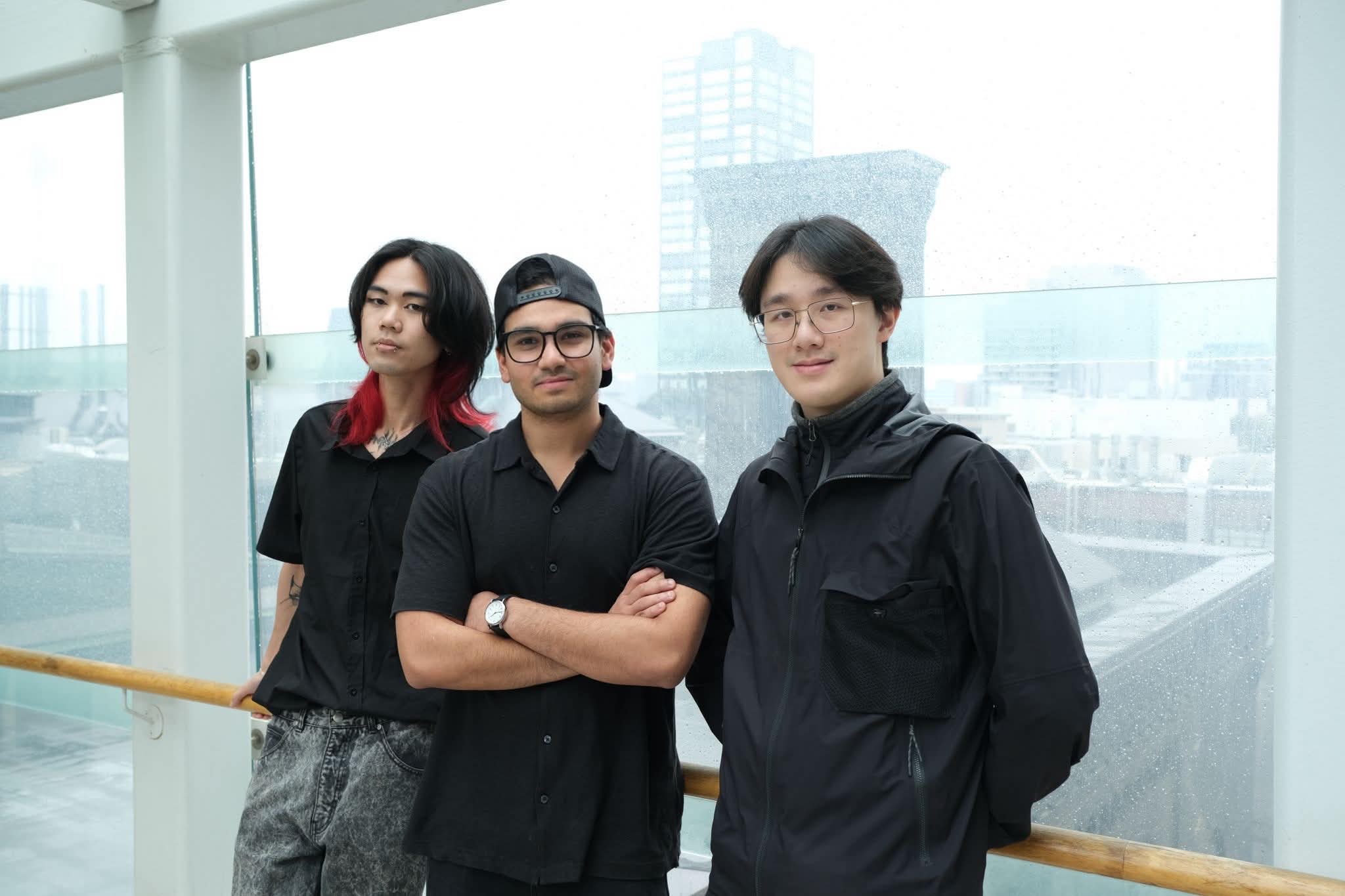
The founding of SCRY Bio is as unique as its technology. Co-founders Eric Tseng, Farshad Murtada, and Ryan Lee—all under 30—were originally University of Toronto graduate students who bonded over TV, music and science. They initially used their apartment as a band practice space, later transforming it into a laboratory and the company’s base of operations.
In 2024, CTO Ryan Lee made a critical scientific breakthrough that moved working DNA computers from theory to a commercially viable enterprise. Today, SCRY Bio has graduated from its apartment origins to a fully compliant, cutting-edge facility in the old Johnson & Johnson building within Toronto’s Discovery District, cementing the city’s growing reputation as a global hub for biotech innovation.
The Future of Lab Testing: Reprogrammable DNA Computers
Unlike traditional rapid tests that read a single marker and provide a binary “yes” or “no,” SCRY Bio’s DNA computers analyze the complex relationships between multiple biomarkers simultaneously to produce lab-level results on the spot. Because the platform is entirely reprogrammable, the company can swap biomarker panels in a software-like fashion without rebuilding the hardware.
While the immediate focus is on closing the accessibility gap in lung cancer screening with an inexpensive, easy-to-use lab test, the broader vision for SCRY Bio’s rewirable platform includes:
- Rapid tests for other cancers
- General wellness and hormone markers (vitamin D, testosterone).
- Environmental testing, such as agricultural soil samples and mold detection
- Molecular signatures to encrypt luxury goods and pharmaceuticals, making them difficult to counterfeit
- Biodefense and toxin detection
From healthcare to agriculture to biodefense, SCRY Bio’s rewirable platform enables the company to deploy nearly any “testing program” in a DNA computer.
“Imagine screening for lung cancer with a COVID-style test you run at home for about $15, purchased directly from a pharmacy or received from your health insurance plan or university health system. That’s the beginning of our work with SCRY Bio,” added Murtada.
“Thanks to SCRY’s platform, cancer detection, hormone and wellness testing will soon be as simple as taking a COVID-19 rapid test. Soldiers will be able to wear badges that change color when exposed to biological threat. Luxury goods and pharmaceuticals will be encrypted with molecular signatures, making them impossible to counterfeit. Opening this lab in the MaRS Discovery District gives us the scale and R&D capabilities necessary to make electricity-free, lab-free diagnostic computing a reality.”
SCRY Bio is the first molecular computing company, dedicated to building physical AI for the molecular world. Founded by Eric Tseng, Farshad Murtada, and Ryan Lee, the company has developed a platform with the ability to use synthetic DNA to build molecular computers (or DNA computers) that run AI models directly in samples, making it possible to produce sophisticated, inexpensive, and electricity-free lab tests running on DNA computing technology.
SCRY Bio’s forthcoming first product is a rapid test for lung cancer, designed to make early detection accessible to all. For more information, visit https://www.scrybio.ai/home.
scrybio@jbc-pr.com
SCRY Bio
christina@jbc-pr.com
JBC
emily@jbc-pr.com
JBC