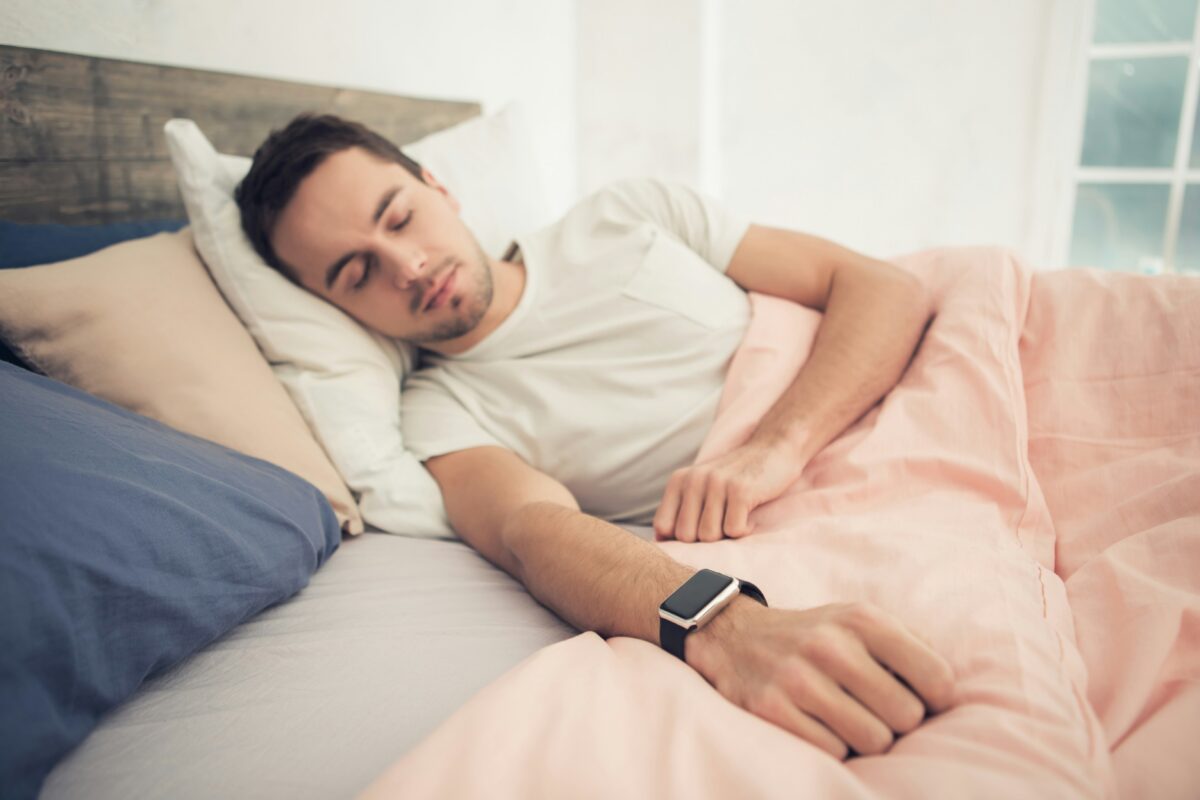
Sleep has a Goldilocks zone.
What’s happening: A new study linked short and long sleep duration to accelerated biological aging across the brain, metabolism, immune system, liver, lungs, and skin.
Sweet spot. Analyzing 500K+ UK Biobank participants, researchers found biological aging was lowest at ~6.5–7.8 hours of sleep, varying by organ system and sex.
Fast-forward. But sleeping under six or over eight hours increased biological aging, disease risk, and all-cause mortality. Bad news for the third of Americans who are sleep-deprived, short slumbers showed strong links to cardiovascular disease, diabetes, obesity, depression, and chronic pain.
Beyond recovery. An often overlooked pillar of health, sleep is foundational for well-being and longevity. As consumers wake up to this reality, circadian wellness is gaining — from wearables and recovery tech to specialized lighting, diagnostics, and health platforms.
Punchline: Sleep is becoming a longevity metric — turning rest from passive recovery into a data-driven platform for prevention, performance, and healthy aging.