Wellness could use a chill pill.
Deep Cuts
Escaping the algorithm, consumers are joining offline hangs, with phone-free event attendance skyrocketing while concepts like bathhouses and luxe clubs scale up.
Yet despite universal demand for IRL connection, the industry has coalesced around optimizers, still lacking social infrastructure beyond fitness and recovery.
As wellness reaches critical mass, it’s attracting diverse tastes, values, and subcultures, but brands are overlooking a consequential cohort by competing for the same outdated archetypes.
The Connoisseur Class
Affluent and taste-driven but allergic to hype, Wellness Connoisseurs gravitate toward curated, low-key, high-discernment experiences.
Anti-social extroverts, Connoisseurs are more likely to hit a trail run or chess club than sauna rave — seeking intimate, art-forward, sober-optional spaces for real conversation.
Like healthy hedonists, they care about wellness without making it their whole personality. And as the rest of the sector grows performative, they’re finding venues to claim.
Smooth Operators
Inverting the members club equation, Connoisseur venues are often affordable yet self-selecting thanks to a semi-elitist IYKYK aura — entry is earned through cultural acuity.
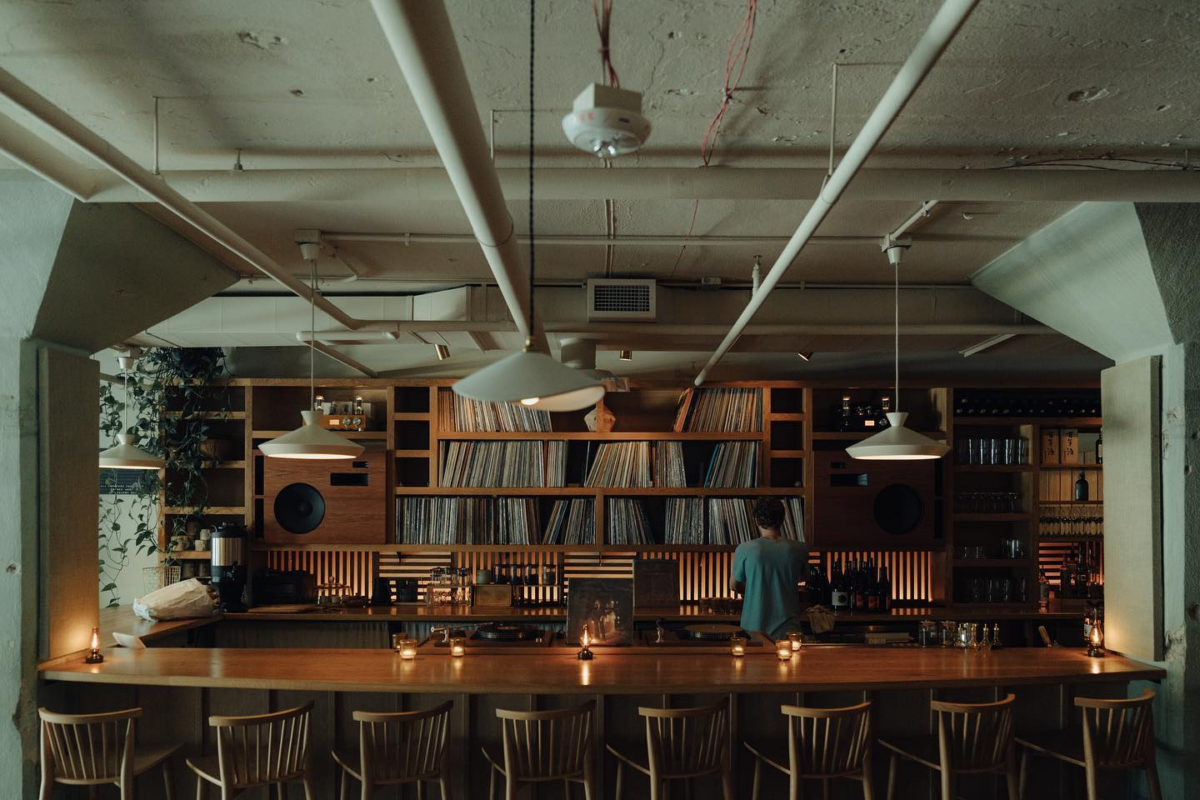
Velvet rope. Reminiscent of Japan’s post-war jazz kissas, US listening bars are resurrecting reverence-as-wellness, combining communal attunement and art appreciation.
In Denver, ESP (Extra Sensory Perception) HiFi curates sounds to ignite the senses, while NYC’s Silence Please operates a listening room x tea house hybrid in an art gallery — recently partnering with adidas on a limited-edition clothing drop.
A sonic salon for cultural, scientific, and artistic exploration, the Lower East Side’s Stylus operates on a hybrid for-profit/non-profit model to invite interdisciplinary contemplation. Nightlife-ified book club, The Read Room gathers UK thinkers for perspective-shifting DJ parties.
In LA, Slow Jamz Gallery and Tea at Shiloh are becoming hubs for arts, events, and community wellness. Slow Jamz hosts vibey analog bar nights with live jazz, natural wine, and no phones, while Shiloh is a late-night, membership-based, meditative teahouse and listening room.
More uptempo, Australian NA beer brand Heaps Normal opened a Wellness 2.0-style social club that’s part bar, part live music venue — de-emphasizing optimization in favor of fun. Meanwhile, AUS-based Tender’s multipurpose studio holds deep listening sessions plus yoga, film screenings, somatic workshops, and other non-effortful healing modalities.
Lost Art
Arts engagement slows biological aging on par with exercise, yet it remains underutilized.
An opportune moment, backlash against AI and biohacking is brewing while human curation and third spaces are in high demand. As Gen Z trades traditional nightlife for wellness-focused events, artful venues can fill two voids at once.
Positively sensitive and intrinsically motivated, Connoisseurs are moving toward authentic culture and leisure over fitness competitions or longevity clubs. As wellness routines get complicated, convoluted, and oversold, they’re seeking intentional spaces to tune out the slop.
Punchline: Consumers can only choose from what’s available. Wellness has gained a try-hard reputation because not enough companies have realized there’s a massive TAM with a different mindset. Critics aren’t actually anti-wellness; their version of it just doesn’t exist yet.