Caregiving is costly.
Silver Tsunami
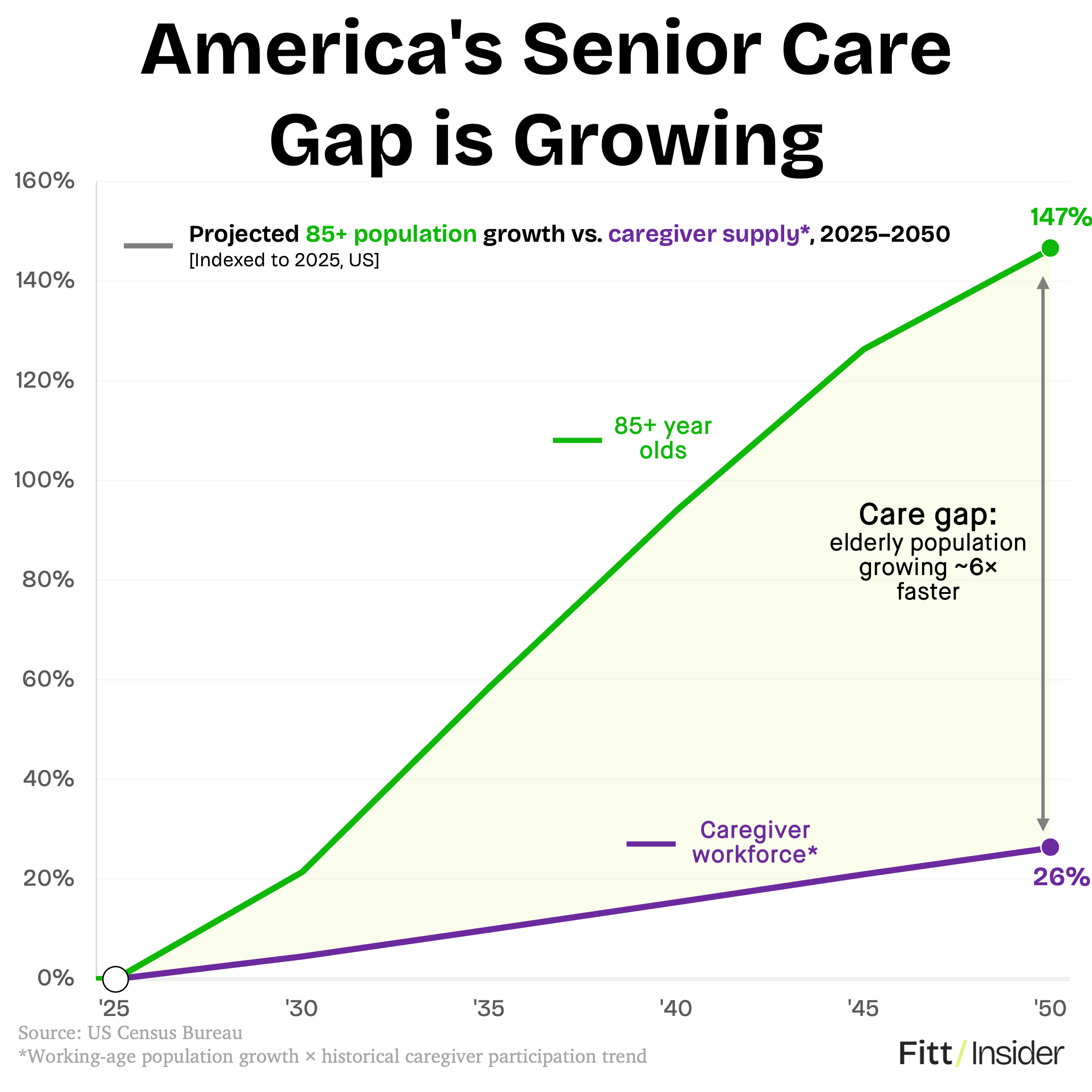
The US’s 85+ population is set to double by 2040, further straining a caregiving system facing labor shortages and rising costs.
75% of Americans want to age in place. Still, in-home care prices out the masses, meaning half of adults expect to become unpaid caregivers — collectively contributing ~$600B in labor that disproportionately falls on women.
Wising Up
With ~90% of parents already burned out, eldercare is becoming a priority — driving an 84% surge in funding for senior care tech last year.
Largely powered by AI, the next wave of solutions ranges from smart facilities to robo-friends.
Smart housing. Tapping companies like Inspiren, SafelyYou, and Sage for AI ecosystems, senior care centers are using proactive insights to up efficiency and cut staff stress. Replicating the formula in homes, Sensi.AI offers HIPAA-compliant, wellness-monitoring wall plug-ins.
Intelligent staffing. With home care turnover nearing 80%, Honor’s AI streamlines training, client matching, and scheduling. Automating back-office ops, Phoebe’s AI admin boosts staffing agency margins, enabling better pay.
Clinical backing. Helping moms manage, Maven and Wellthy connect women’s health services with caregiving coordination. Linking care and coverage, “payvider” Harbor Health acquired Rippl to expand dementia care and reduce hospital visits. Elsewhere, Jukebox Health acquired Braided Health, scaling home modifications and value-based programs for people with disabilities.
Consumer support. First of their kind, Luffu designed a family wellness app for unpaid caregivers, while Moira Club launched an aging-in-place health membership. A 24/7 digital guide, Homethrive’s app helps families navigate providers, insurance, and long-term planning.
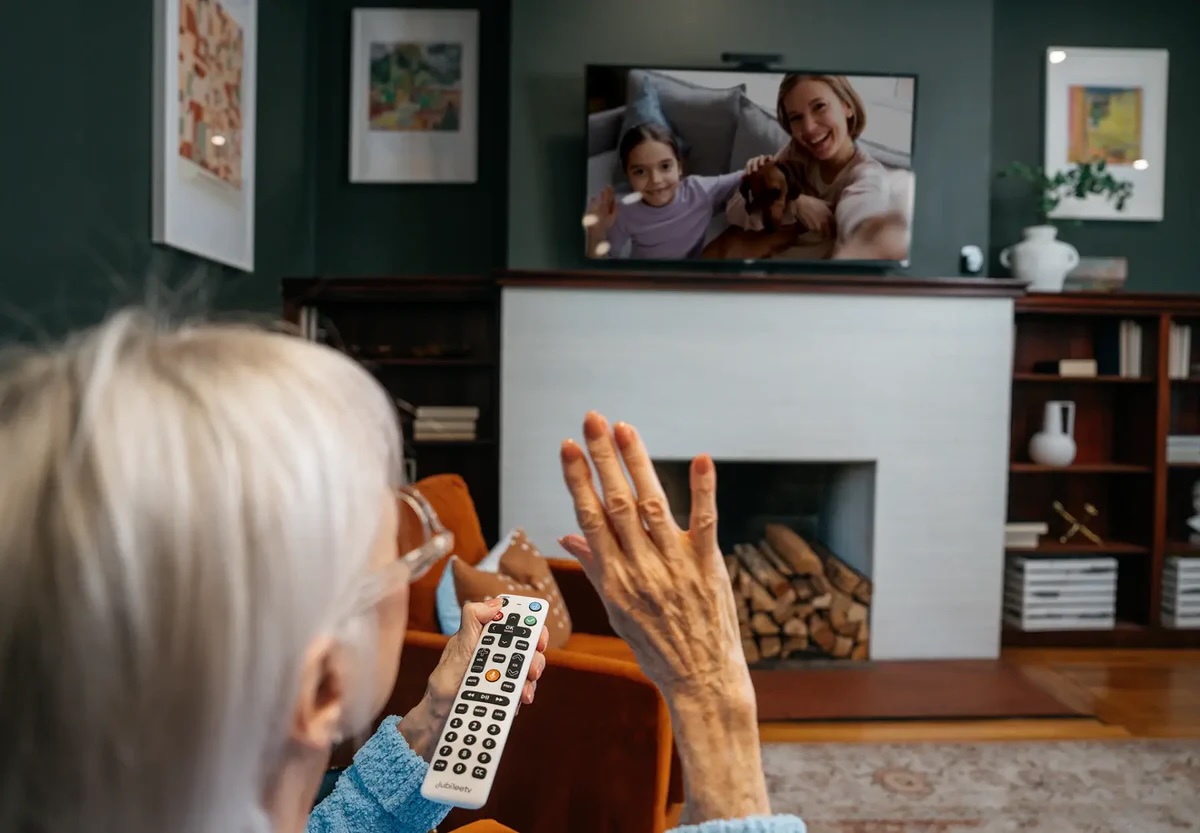
Tracking voice biomarkers, Canary Speech and JubileeTV teamed to log cognitive patterns during family video calls. A voice-operated robo-companion that conducts wellness checks, Intuition Robotics’ ElliQ earned Medicaid reimbursement in WA.
Cultural nuance. Beyond care delivery, mindset and lifestyle shape how we age. As wellness x longevity extend healthspan, belief in aging well—and not facing it alone—could meaningfully improve outcomes.
Looking ahead: With elders set to outnumber kids for the first time in history, home care—and Silver-centric wellness more broadly—is ready for a renaissance.




![ANIMAL [a listening gym] installation](https://insider.fitt.co/wp-content/uploads/2026/08/ANIMAL-Exhibit-e1786733524804-768x512.png)