Migraines expose a blind spot in brain care.
Heads up. More than a headache, migraines affect 1B+ people globally, with chronic cases ranked as the second-leading cause of disability. A neurologic condition, women are three times more likely than men to suffer, while adolescent cases have surged ~25% since 2010.
Trigger warning. Despite widespread burden, migraine care remains fragmented and reactive. Less than half of patients receive a formal diagnosis, while <20% are prescribed preventative medication, leaving millions reliant on acute treatment and unaware of lifestyle levers like stress, sleep, and food.
Switched on. With clinical access lagging, consumers are turning to data-driven tools. Wearables from Oura and Ultrahuman now integrate digital therapeutics, analyzing biometrics and activity patterns to flag early warning signs.
Closing the care gap, Neura Health blends telemedicine, AI tracking, and coaching to prevent attacks, while Kaia Health uses exercise and relaxation to reduce recurrence.
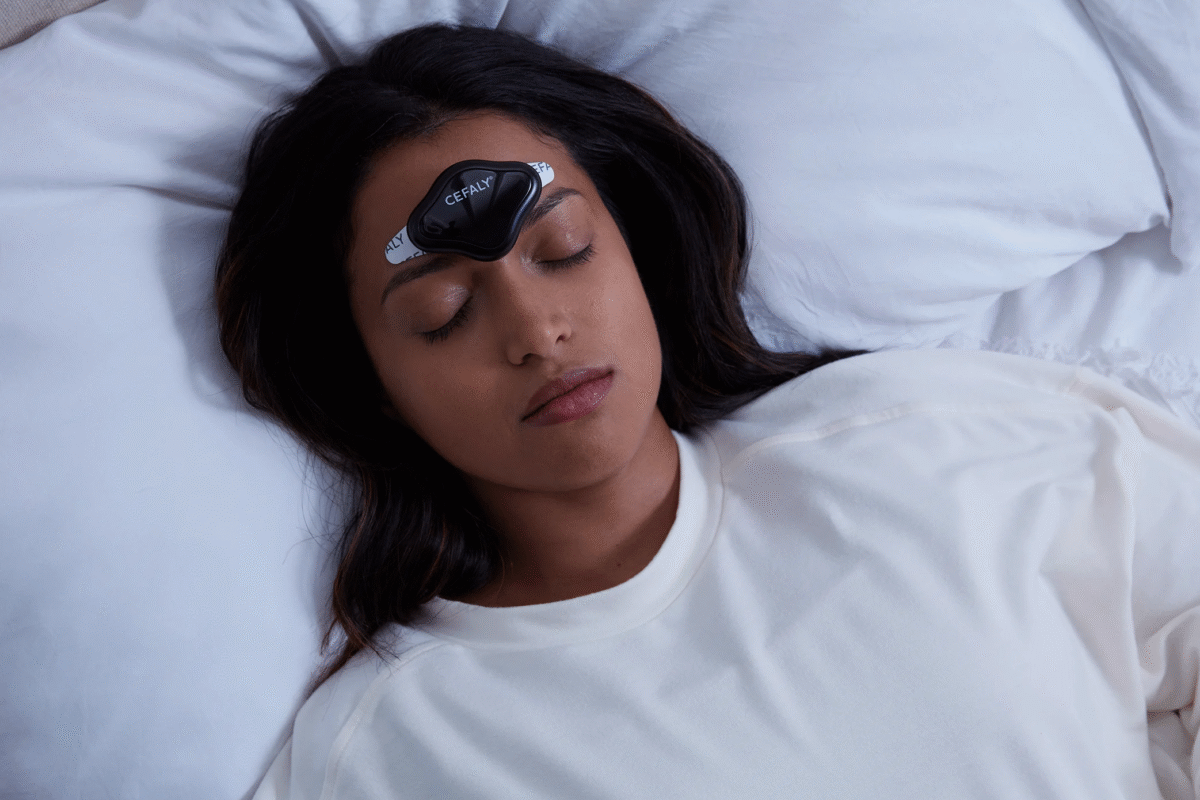
Signal shift. As neuromodulation scales, noninvasive devices are combating migraines. Nerivio’s wearable delivers drug-free, on-demand relief, while gammaCore stimulates the vagus nerve and Cefaly sends electrical impulses through the forehead.
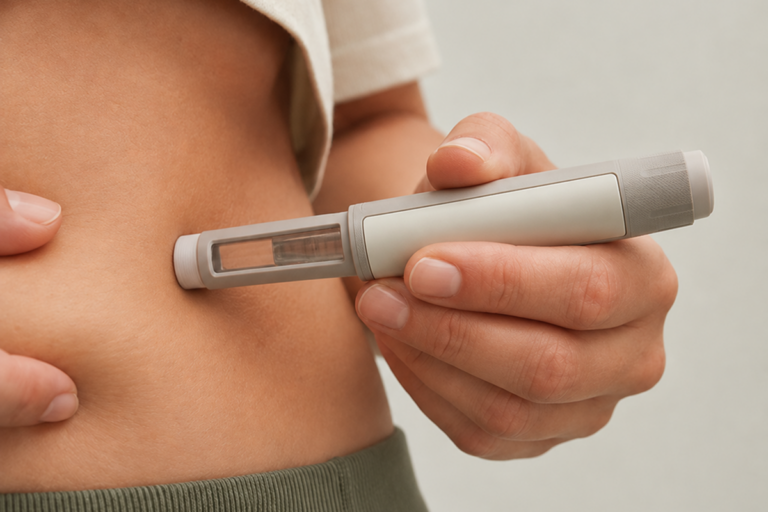
Blocking pain signals, Salvia BioElectronics’ implant is undergoing clinical trials, while Biohaven and Alder are advancing migraine meds.
Punchline: From sensors to stimulators, migraine care is shifting from reactive treatment to predictive, personalized intervention — reshaping how brain health is managed before pain sets in.