From gyms and connected equipment to digital health platforms, food & bev, and performance apparel, the sector’s top players posted mixed results in Q2 2025.
While some brands ride consumer demand for premium experiences and personalized health, others are navigating macro headwinds, strategic pivots, and shifting consumer behaviors.
We broke down the latest earnings reports.
FITNESS
$LTH
Life Time’s Q2 revenue grew 14% YoY to $761.5M, and memberships increased 2.0% YoY.
Higher average dues, new club growth, and record member utilization are fueling results, with personal training leading in-club revenue gains. The company opened four new clubs in Q2, bringing the total to 184.
Life Time raised full-year guidance and plans to open 10 new clubs in 2025, including LT High Performance. Sale-leaseback proceeds will fund growth, including expansion of MIORA longevity clinics beyond two current locations.
$PTON
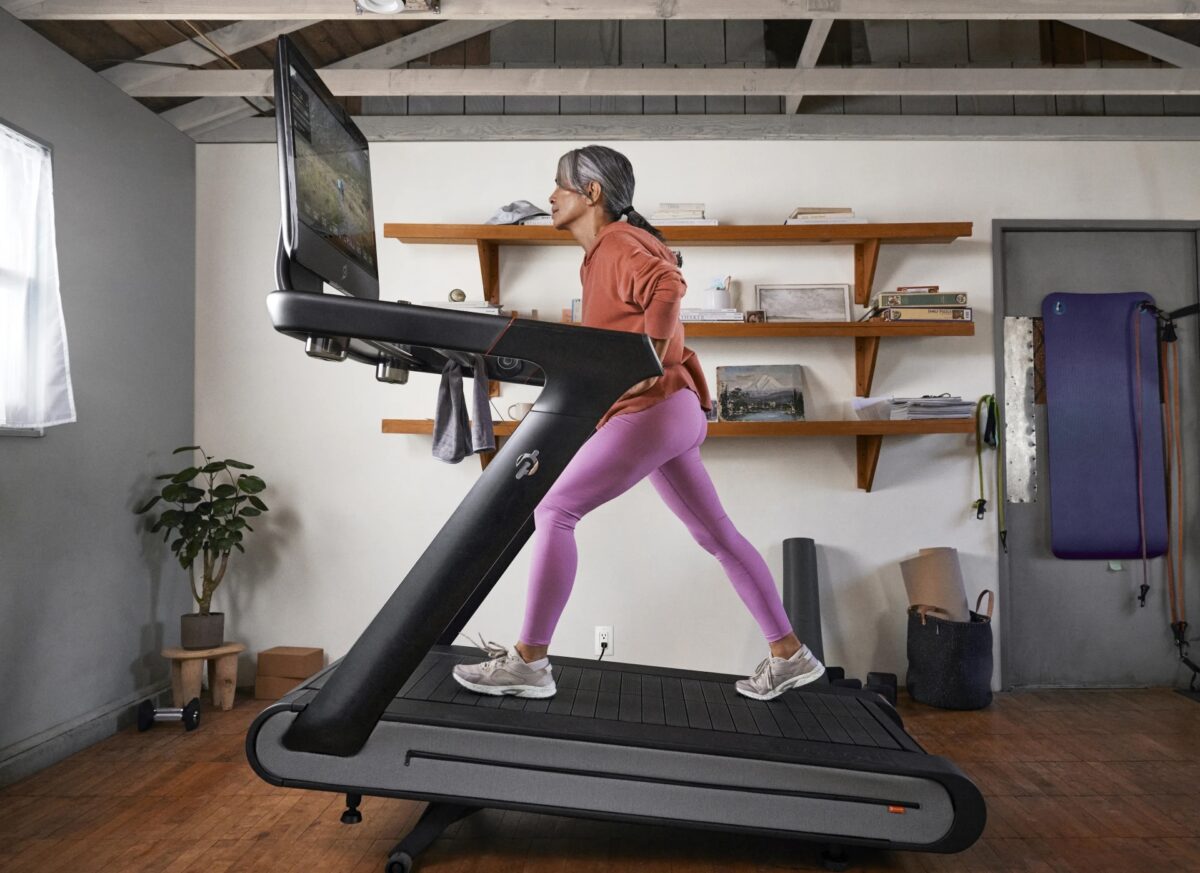
Peloton’s Q4 revenue grew 4% YoY to $607M, beating estimates by ~$26M. Connected Fitness subscriptions fell 6% YoY to 2.80M, with churn at 1.8%.
Equipment sales exceeded expectations, boosted by secondary market demand and growth in commercial placements. Advancing strength training and AI personalization, the company also expanded commercial reach to 9K+ hotels through Hilton and Hyatt.
FY26 revenue is projected at $2.4–$2.5B (-2% YoY), with priorities including new products, wellness category expansion, and $100M in additional cost savings — including another round of layoffs.
$XPOF
Xponential’s Q2 revenue declined 1% YoY to $76.2M, while North America system-wide sales grew 12% to $473.5M. Memberships rose 8% to 863K.
Portfolio and operational shifts continue. After selling CycleBar and Rumble, Club Pilates is driving growth, with Pure Barre, YogaSix, and StretchLab launching new programs to boost same-store sales.
2025 guidance calls for declines in new studio openings (-37%), revenue (-5% YoY), and adjusted EBITDA (-7% YoY). Plans include $20M+ in Club Pilates marketing, testing dynamic pricing, and pursuing international expansion. A FitCommerce retail partnership aims to improve margins in 2026.
$PLNT
Planet Fitness’ Q2 revenue grew 13.3% YoY to $340.9M, with membership reaching 20.8M. The company opened 23 new clubs in Q2, bringing its total to 2,762 locations worldwide.
Growth was driven by rate increases, new club openings, equipment sales, and Black Card adoption. Initiatives like the High School Summer Pass and click-to-cancel rollout impacted attrition but support a long-term member-first strategy.
By EOY, Planet Fitness plans to open 160–170 new clubs, expand strength training floor space, and pilot recovery amenities such as red light therapy and cold plunge to boost value and unit economics.
$TGYM
Technogym’s H1 2025 revenue rose 14.1% YoY to $503M, with B2B sales up 15.1% and B2C up 10.4%. Adjusted EBITDA grew 27.2% to $93M.
Growth was driven by its expanding AI-powered ecosystem, including Technogym Checkup and Biostrength, plus new launches in Pilates, strength training, and premium lines. B2C retail expansion and targeted B2B channels strengthened brand positioning.
Management expects to meet 2025 growth and profitability targets while investing in innovation and brand elevation ahead of the Milano Cortina 2026 Olympics.
FOOD & BEV
$SG
Sweetgreen’s Q2 revenue was $185.6M (+0.5% YoY), while same-store sales declined 7.6%. Adjusted EBITDA fell to $6.4M from $12.4M.
Results reflected macro headwinds, a tough YoY comparison, and loyalty program transition. Digital channels accounted for 60.8% of revenue, with owned digital at 33.4%.
2025 guidance calls for ≥40 net new restaurants (20 with Infinite Kitchen), revenue of $700M–$715M, and same-store sales decline of 4–6%. Priorities include menu innovation, optimizing loyalty program performance, and scaling automation to reach 1K+ US locations.
$CELH
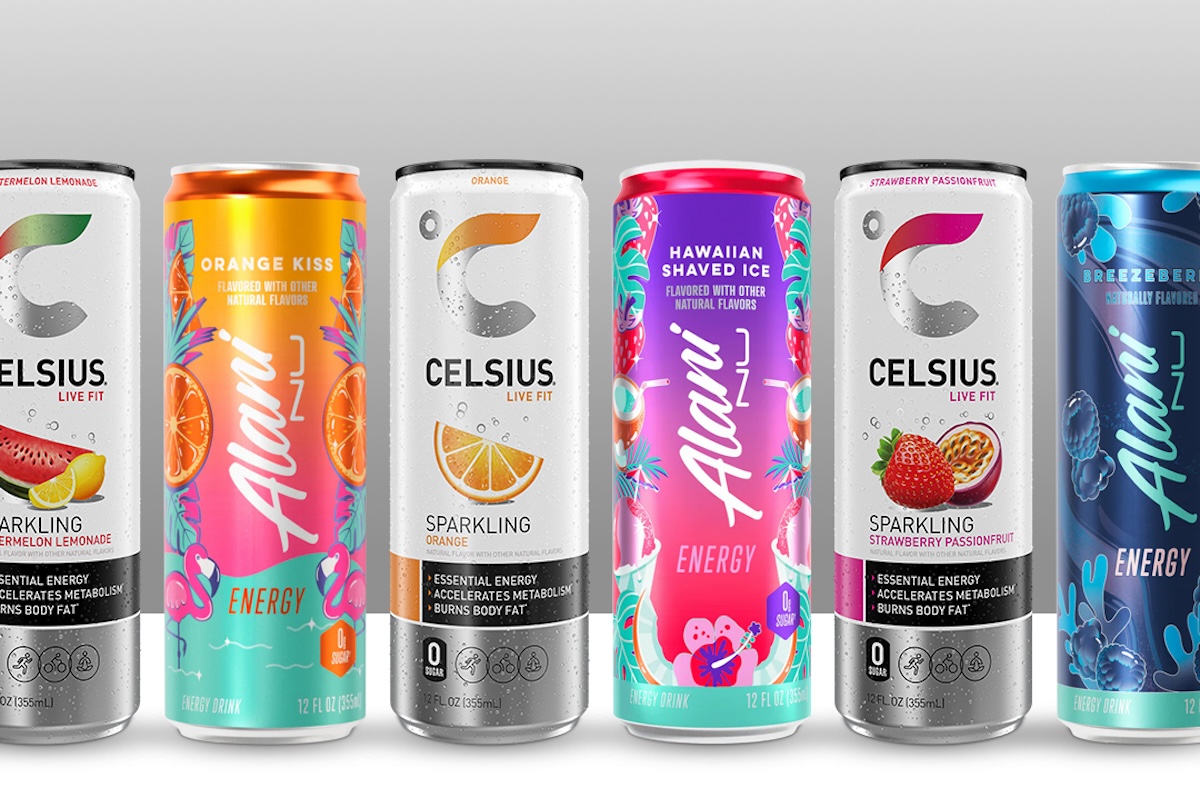
Celsius’ Q2 revenue grew 84% YoY to $739.3M, with net income up 25% to $99.9M. Adjusted EBITDA more than doubled to $210.3M.
Growth was led by $301.2M from newly acquired Alani Nu, while the Celsius brand grew 9% on velocity gains and expanded distribution. US energy drink share reached 17.3%, with Alani Nu up to 6.3%.
Management is targeting $50M in cost synergies from the Alani Nu integration, maintaining gross margins in the low-50% range. Priorities include expanding household penetration, scaling international markets, and accelerating innovation.
DIGITAL HEALTH
$HIMS
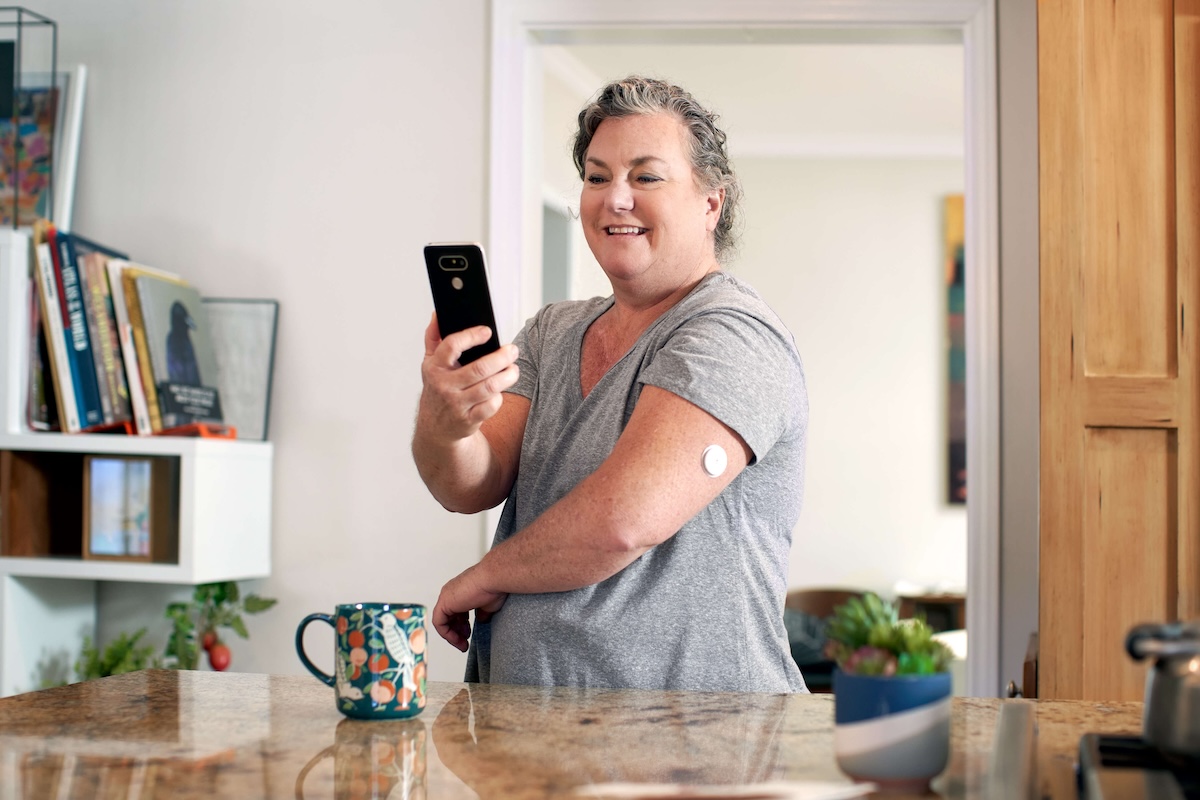
Hims & Hers’ Q2 revenue grew 73% YoY to $544.8M, with subscribers up 31% to 2.4M. Adjusted EBITDA more than doubled to $82.2M.
Growth was fueled by personalized treatment plans across dermatology, oral weight loss, and daily sexual health, alongside a shift toward higher-retention daily subscriptions. Gross margin improved to 76% as non-weight loss categories grew share.
The company reaffirmed 2025 guidance for $2.3–$2.4B revenue and $295–$335M EBITDA, with plans to launch hormonal health therapy, integrate a vertically owned blood testing lab, and expand into longevity offerings in 2026. It projects $50M in European FY25 revenue following the acquisition of ZAVA.
$HNGE
Hinge Health’s Q2 revenue grew 55% YoY to $139.1M, with non-GAAP operating income of $26.1M.
Client count rose 32% to 2,359, with growth across large enterprise, public sector, and early traction in fully insured and federal programs. International expansion added five new countries. HingeSelect, its curated in-person MSK provider network, secured contracts at 2.1K+ locations.
Q3 revenue is projected at $141M–$143M, with FY25 guidance of $548M–$552M revenue (+41% YoY). Priorities include expanding HingeSelect, scaling international markets, and reinvesting in sales.
$OMDA
Omada Health’s Q2 revenue grew 49% YoY to $61.4M, with total members up 52% to 752K. GAAP gross margin expanded to 66%, up from 60% last year.
Growth was led by core cardiometabolic programs and rising GLP-1 demand, with the GLP-1 Companion Success Track showing 28% greater weight loss than other programs. The company also launched OmadaSpark, an AI agent for real-time nutritional guidance and coaching.
Full-year 2025 revenue is projected at $235M–$241M, with continued investment in GLP-1 support and AI-enabled personalization. Omada expects a strong H2 as health plans finalize 2026 benefits.
TECH
$GRMN
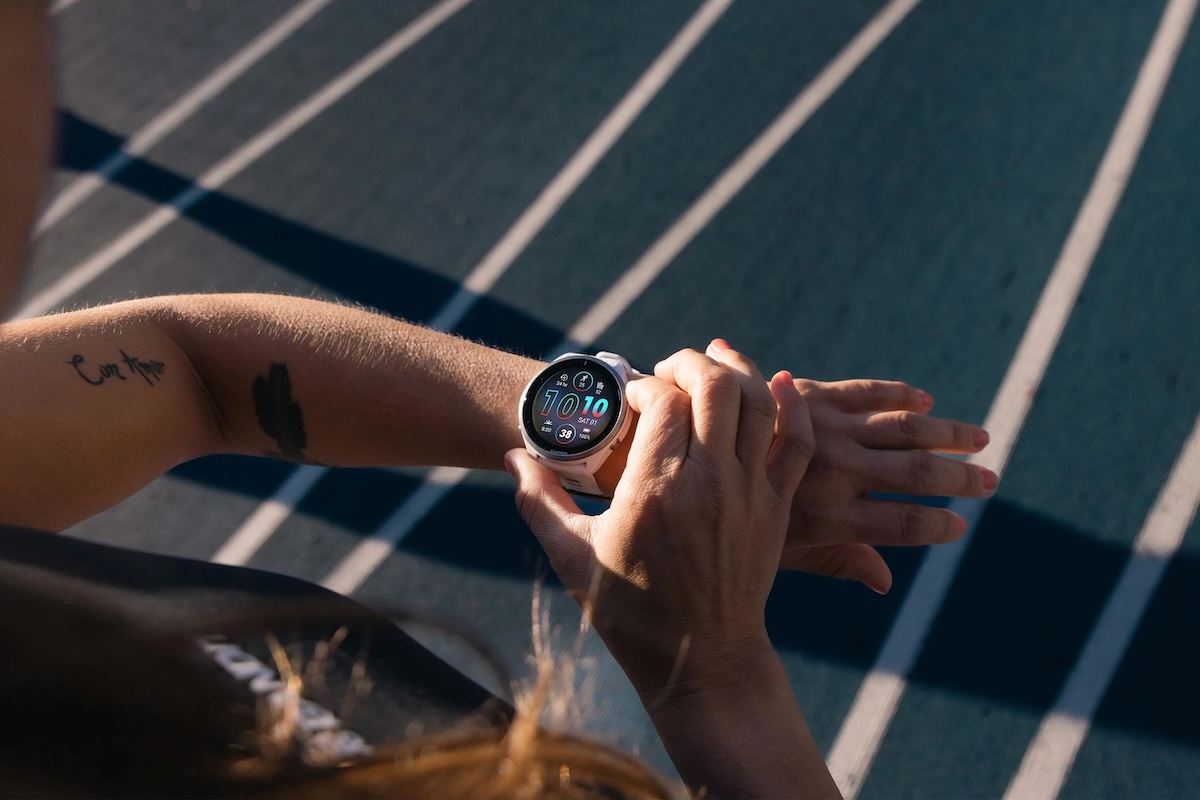
Garmin’s Q2 revenue rose 20% YoY to $1.815B, with gross margin at 58.8%. Fitness revenue surged 41% to $605M, while Outdoor grew 11% to $490M.
Fitness growth was driven by wearables, including new Forerunner, Venu, and Index devices, while Outdoor momentum came from adventure watches and Tread 2 navigators. The acquisition of Dutch company MYLAPS adds official race timing tech for events like the Boston Marathon and IRONMAN.
It raised full-year revenue guidance to $7.1B, with fitness growth outlook at 25% and outdoor at 10%. Priorities include expanding advanced wearables, off-road mapping, and integrating MYLAPS into training-to-race experiences.
APPAREL

$ONON
On’s Q2 net sales grew 32% YoY to ~$921M, with DTC up 47.2%, accounting for 41.1% of revenue. Gross margin expanded to 61.5% and adjusted EBITDA rose 50% to ~$167M (18.2% margin).
Growth was driven by strong footwear demand, rapid apparel growth (+67.5% YoY), and triple-digit gains in accessories. APAC led regional growth, with China retail up ~50%.
Full-year guidance was raised to ~$3.57B in net sales, with 60.5–61.0% gross margin. Priorities include accelerating apparel, expanding premium retail, and deepening APAC penetration.
$UAA
Under Armour’s Q1 FY26 revenue fell 4% YoY to $1.13B, with North America down 5% and international down 1%.
Results were impacted by continued restructuring and tariffs, which are expected to halve profitability this year. The brand is raising prices, streamlining SKUs, and investing in premium products, with initiatives to reach women and younger generations.
Q2 revenue is expected to decline 6–7%. Priorities include premiumization, targeted marketing spend, and completing restructuring.
ICYMI: Early this year, lululemon, Nike, and adidas posted uneven results, underscoring shifting dynamics in global sportswear.
- lululemon grew Q1 revenue 7% to $2.4B, with international strength offsetting declines in North America.
- Nike’s FY25 sales fell 10% to $46.3B as declines prompted its “sport offense” reset to sharpen focus and drive growth.
- adidas delivered modest gains, led by momentum in Europe, strong soccer demand, and better margins.
Together, the decade’s big three are leaning on brand equity, premium positioning, and innovation to defend share against faster-growing challengers.