Clinicians are longevity-curious.
Checkup. A Second Opinion survey of 129 doctors, nurses, and PAs shows how medical professionals are self-experimenting with preventative health optimization tools.
Baseline. Nonnegotiable habits like diet, exercise, and sleep remain foundational, with supplements like vitamin D, magnesium, creatine, and omega-3s forming the next layer.
Stackers. Beyond the basics, most clinicians stack about seven interventions. About 37% go further, adding GLP-1s, peptides, or rapamycin alongside regular bloodwork and wearables, spending $400–$1K per month.
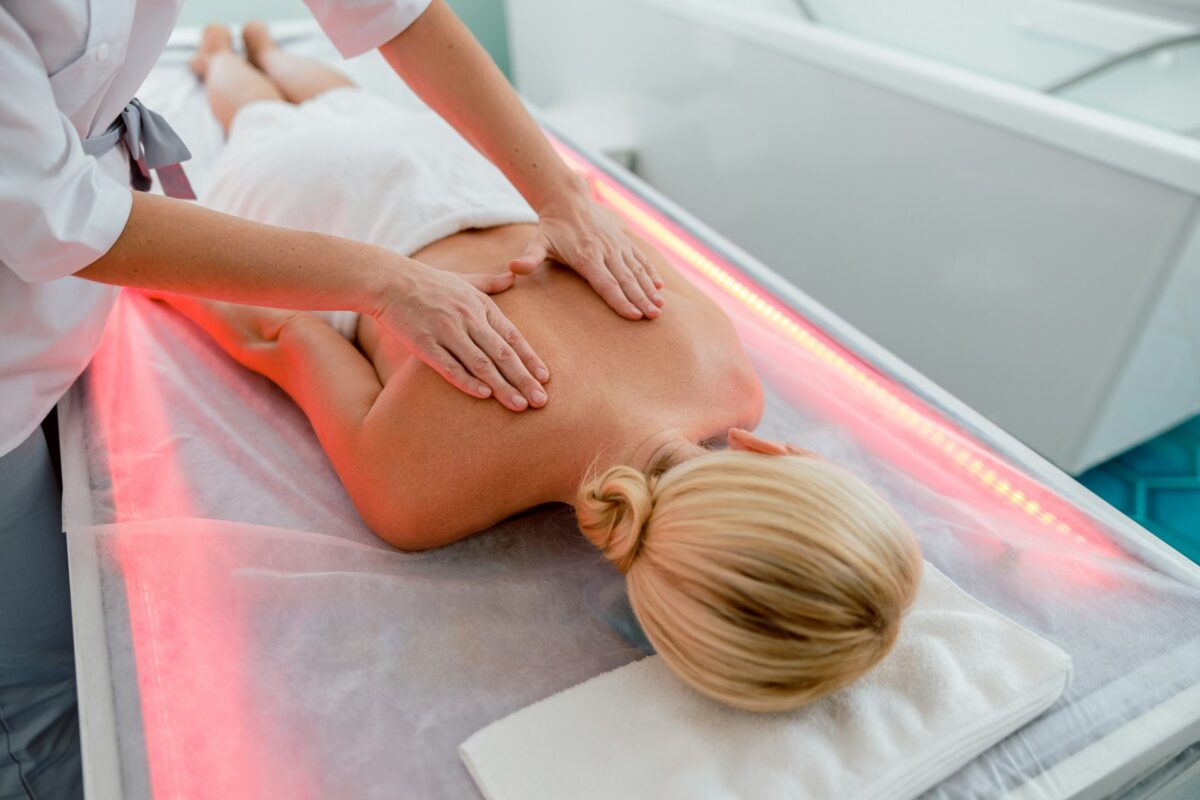
New normal. No longer niche, intermittent fasting, cold plunges, red light therapy, and resistance training are becoming standard practice. Dialed in, 77% use wearables, led by Apple Watch and Oura.
Head start. Still, only 25% prescribe longevity drugs to patients, underscoring the gap between personal use, consumer demand, and clinical validation.
A trickle-down, just as science influencers shape new behaviors, health-optimizing clinicians can serve as a leading indicator of emerging wellness trends.
Takeaway: Like consumers, clinicians are cobbling together fragmented stacks — signaling demand for cohesive, science-backed platforms that integrate diagnostics, coaching, and therapeutics.