Medical aesthetics are getting a facelift.
All-access. Sales of GLP-1s at aesthetics practices topped $1.5B last year, per Guidepoint Qsight data, as weight loss drugs became an on-ramp to cosmetic care.
New wave. Expanding the $21B medspa market, 61% of GLP-1 patients were first-timers to the prescribing practice, with many staying on to address side effects like skin laxity and “Ozempic face.”
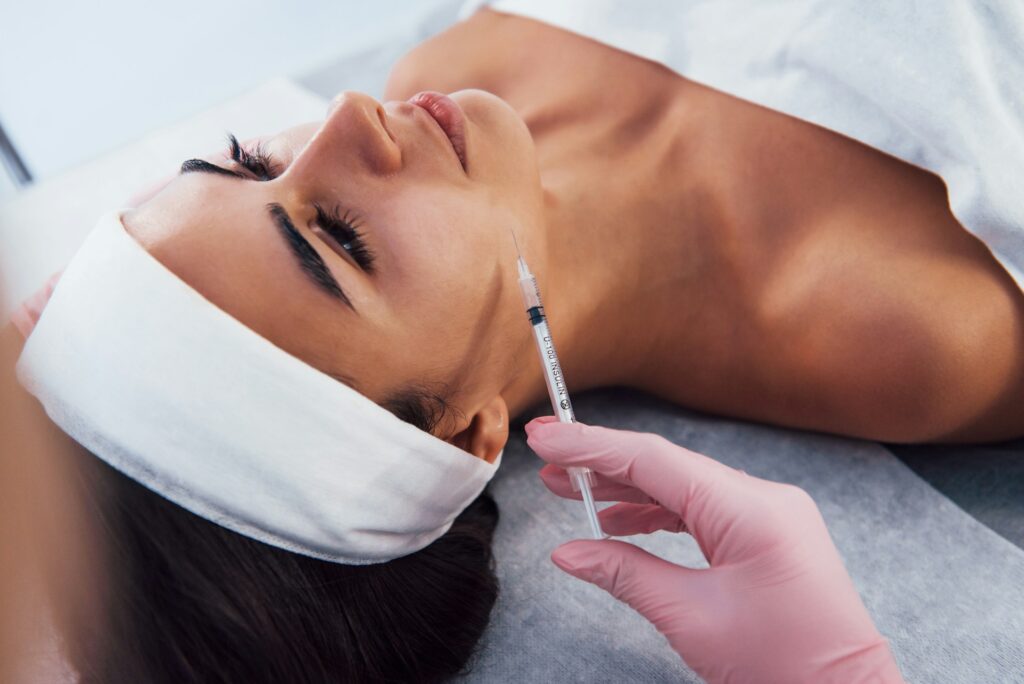
Opting for traditional treatments like neurotoxins and fillers, they’re also experimenting with newer skin tightening tech, with providers stacking options like radiofrequency microneedling device Morpheus8, skin-coring Ellacor, and ultrasound-based Ultherapy for optimal results.
Falling out, nonsurgical fat reduction services like CoolSculpting and Zerona dipped 40% in ’24.
Under the knife. Plastic surgeons are also responding. Tummy tucks and breast augmentations increased year-over-year, while facelifts (especially for younger patients) and minimally invasive procedure Renuvion—combining under-skin cold helium plasma and radiofrequency—are gaining buzz.
Niche nooks. Beyond weight loss, specialized clinics are applying many of the same tools, from Cleavage Clinic’s collagen-boosting Sculptra breast injections and Great Many’s platelet-rich plasma hair restoration to FEMM Parlour’s vaginal tightening services.
Takeaway: Many GLP-1 users are entering the world of medical aesthetics for the first time, opting for noninvasive and surgical treatments. As oral pills increase access, there’s a growing demand for more effective innovations that address surface-level aesthetic needs.