The case against environmental exposures stacks up.
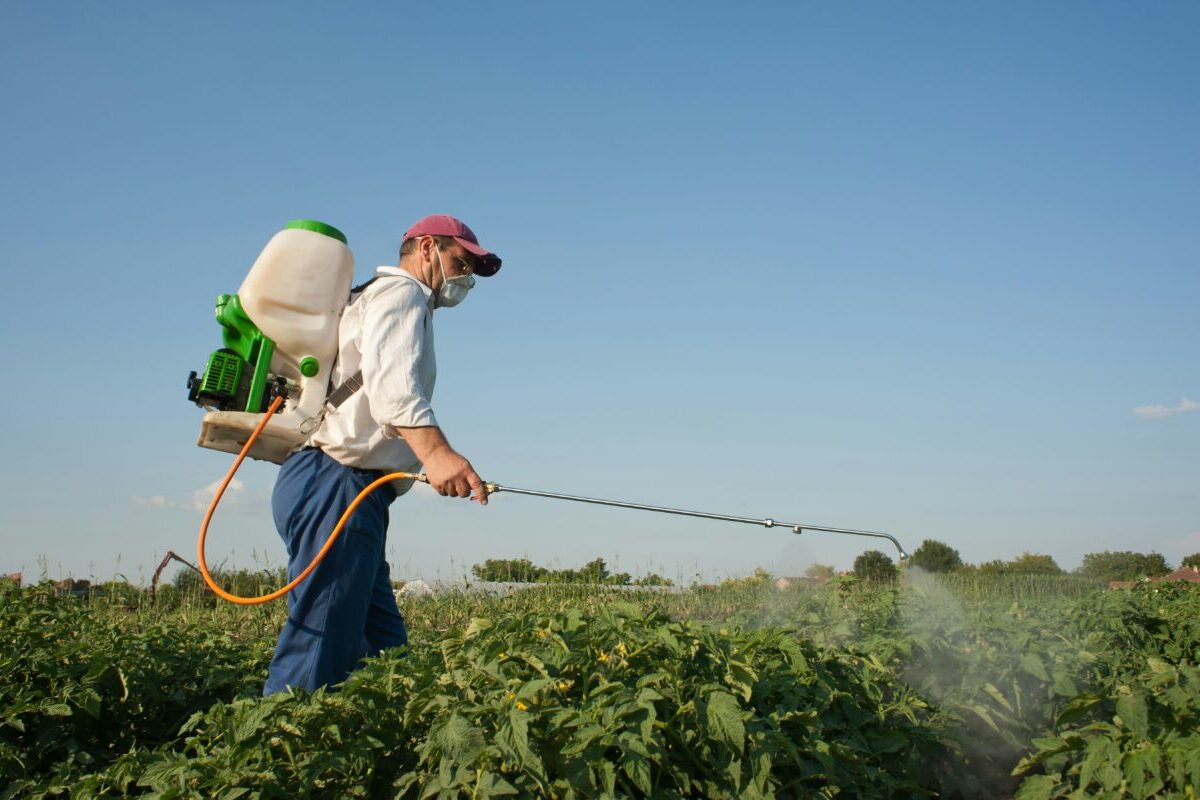
What’s happening: A new study linked the herbicides picloram and glyphosate to early-onset colorectal cancer, with higher-use regions seeing more cases in younger populations.
Fine print. The study is noncausal and relies on DNA methylation as a proxy for exposure, meaning the signal is indirect and does not prove agricultural chemicals drive cancer risk.
Red flags. Roughly half of new colorectal cancer diagnoses are now in Americans under 65, with rates among ages 20–49 rising 3% YoY since the ’90s. Growing 2–3x faster than colon cancer, rectal cases will be the most deadly cancer in under-50s by 2035.
From inactivity to UPFs and e. coli contamination, theories on the culprit abound. Despite citing the study’s limitations, Dana-Farber researchers also pointed to the “exposome”—cumulative lifestyle and environmental exposure—as a likely contributor.
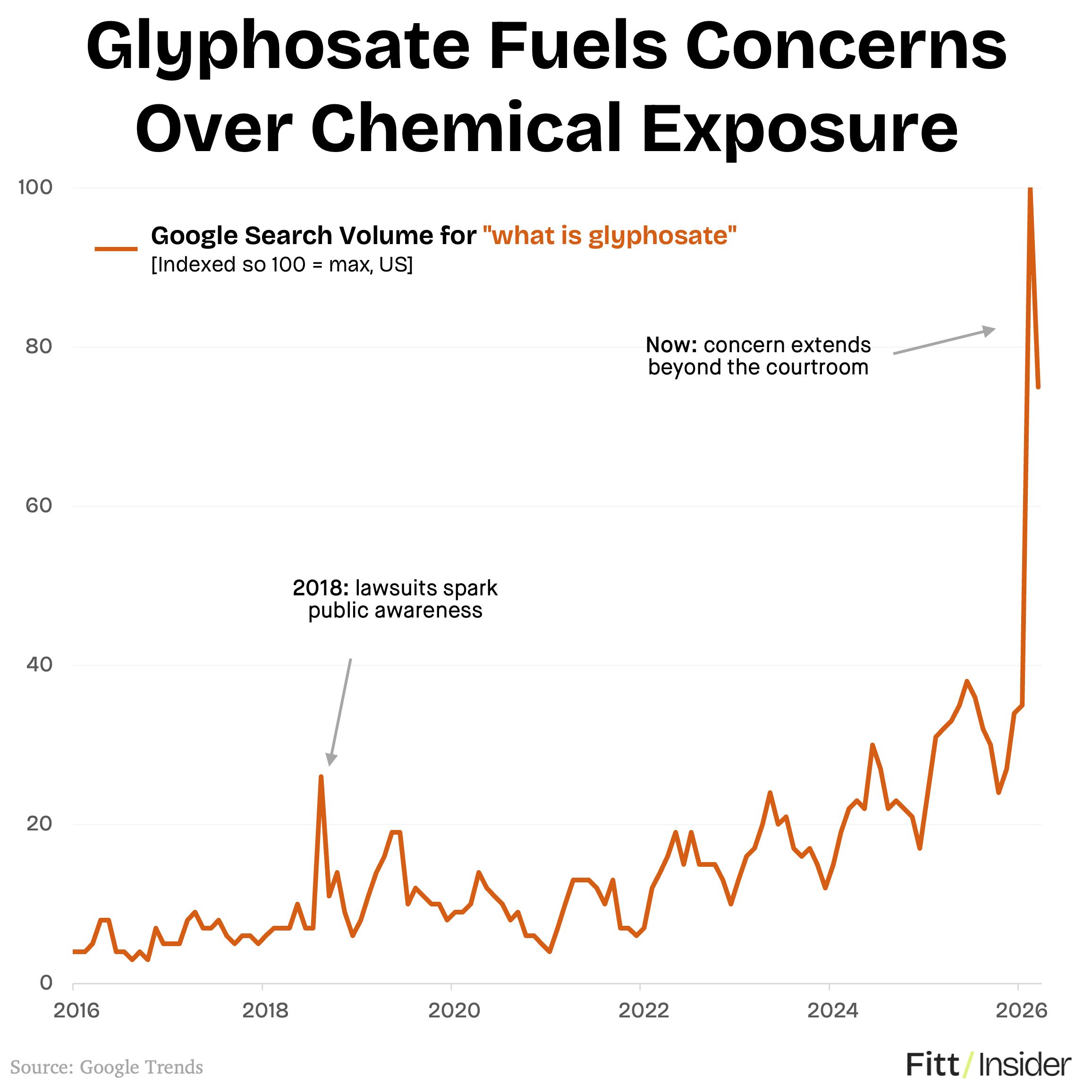
Battle line. A MAHA-swung US House stripped liability protections for pesticide makers from the latest Farm Bill—despite EPA clearance and White House backing—exposing producers to ongoing cancer-related litigation.
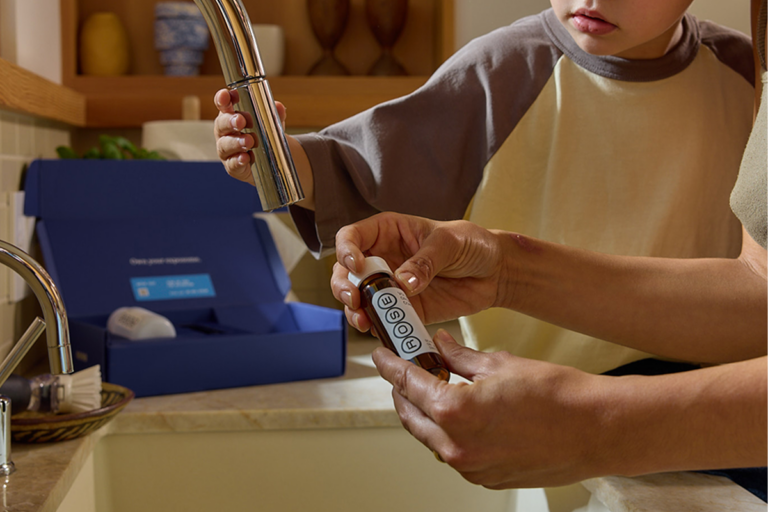
Looking ahead: From food and water supplies to manicured lawns and golf courses, herbicides have leached into our lives — and protecting against everyday toxins is just coming into focus.
We break down how fitness, wellness, and healthcare are converging — and what it means for business, culture, and capital.
No thanks.
A smarter way to track the future of health.
Built for founders, executives, investors, and senior operators.
Subscribe to Fitt Insider
{"head":"<script>(function(w,d,s,l,i){w[l]=w[l]||[];w[l].push({'gtm.start':\r\nnew Date().getTime(),event:'gtm.js'});var f=d.getElementsByTagName(s)[0],\r\nj=d.createElement(s),dl=l!='dataLayer'?'&l='+l:'';j.async=true;j.src=\r\n'https:\/\/www.googletagmanager.com\/gtm.js?id='+i+dl;f.parentNode.insertBefore(j,f);\r\n})(window,document,'script','dataLayer','GTM-KV7LDXC');<\/script>\r\n<!-- End Google Tag Manager -->\r\n<script>(function(w,d,s,l,i){w[l]=w[l]||[];w[l].push({'gtm.start':\r\nnew Date().getTime(),event:'gtm.js'});var f=d.getElementsByTagName(s)[0],\r\nj=d.createElement(s),dl=l!='dataLayer'?'&l='+l:'';j.async=true;j.src=\r\n'https:\/\/www.googletagmanager.com\/gtm.js?id='+i+dl;f.parentNode.insertBefore(j,f);\r\n})(window,document,'script','dataLayer','GTM-T7J5HFB');<\/script>\r\n<!-- Meta Pixel Code -->\r\n<script>\r\n!function(f,b,e,v,n,t,s)\r\n{if(f.fbq)return;n=f.fbq=function(){n.callMethod?\r\nn.callMethod.apply(n,arguments):n.queue.push(arguments)};\r\nif(!f._fbq)f._fbq=n;n.push=n;n.loaded=!0;n.version='2.0';\r\nn.queue=[];t=b.createElement(e);t.async=!0;\r\nt.src=v;s=b.getElementsByTagName(e)[0];\r\ns.parentNode.insertBefore(t,s)}(window, document,'script',\r\n'https:\/\/connect.facebook.net\/en_US\/fbevents.js');\r\nfbq('init', '605118897773201');\r\nfbq('track', 'PageView');\r\n<\/script>\r\n<noscript><img height=\"1\" width=\"1\" style=\"display:none\"\r\nsrc=\"https:\/\/www.facebook.com\/tr?id=605118897773201&ev=PageView&noscript=1\"\r\n\/><\/noscript>\r\n<!-- End Meta Pixel Code -->","body":"<!-- Google Tag Manager (noscript) -->\r\n<noscript><iframe src=\"https:\/\/www.googletagmanager.com\/ns.html?id=GTM-KV7LDXC\"\r\nheight=\"0\" width=\"0\" style=\"display:none;visibility:hidden\"><\/iframe><\/noscript>\r\n<!-- End Google Tag Manager (noscript) -->\r\n\r\n<!-- Google Tag Manager (noscript) -->\r\n<noscript><iframe src=\"https:\/\/www.googletagmanager.com\/ns.html?id=GTM-T7J5HFB\"\r\nheight=\"0\" width=\"0\" style=\"display:none;visibility:hidden\"><\/iframe><\/noscript>\r\n<!-- End Google Tag Manager (noscript) -->","footer":"<script type=\"text\/javascript\" id=\"linkedin-script\">\r\n_linkedin_partner_id = \"4087129\";\r\nwindow._linkedin_data_partner_ids = window._linkedin_data_partner_ids || [];\r\nwindow._linkedin_data_partner_ids.push(_linkedin_partner_id);\r\n<\/script><script type=\"text\/javascript\">\r\n(function(l) {\r\nif (!l){window.lintrk = function(a,b){window.lintrk.q.push([a,b])};\r\nwindow.lintrk.q=[]}\r\nvar s = document.getElementsByTagName(\"script\")[0];\r\nvar b = document.createElement(\"script\");\r\nb.type = \"text\/javascript\";b.async = true;\r\nb.src = \"https:\/\/snap.licdn.com\/li.lms-analytics\/insight.min.js\";\r\ns.parentNode.insertBefore(b, s);})(window.lintrk);\r\n<\/script>\r\n<noscript>\r\n<img height=\"1\" width=\"1\" style=\"display:none;\" alt=\"\" src=\"https:\/\/px.ads.linkedin.com\/collect\/?pid=4087129&fmt=gif\" \/>\r\n<\/noscript>\r\n\r\n<script async data-id=\"101397610\" src=\"\/\/static.getclicky.com\/js\"><\/script>"}
We use cookies
We use necessary cookies to make this site work. With your consent, we also use analytics and advertising technologies to improve the site and measure marketing.