Closed-loop sleep care is coming.
Sacked
Roughly 150M Americans don’t sleep well, but existing treatments fail for over 70%.
Worse, a 43,000:1 patient-to-specialist ratio and inaccessible polysomnography tests make screenings rare, leaving ~80% of obstructive sleep apnea (OSA) sufferers unaware they have it and 12% chronically insomniatic.
Home Front
Dubbed the Restorative & health-Enhancing Sleep Time (REST) program, a new government program seeks to shrink a ~$400B economic burden by shifting sleep care from lab to home.
Envisioning “noninvasive, closed-loop systems,” it aims to lift insomnia treatment effectiveness to 90% while using AI, wearables, and neuromodulation to measure and manage conditions.
Flag. Now worn by half the country, wearables are already flagging OSA and other previously untrackable issues, creating demand for follow-up testing and clinical interventions.
Guide. Triaging care, Resmed offers Oura users 1:1 provider consults, offering CPAPs plus Noctrix’s wearable nerve stim tech for restless leg syndrome.
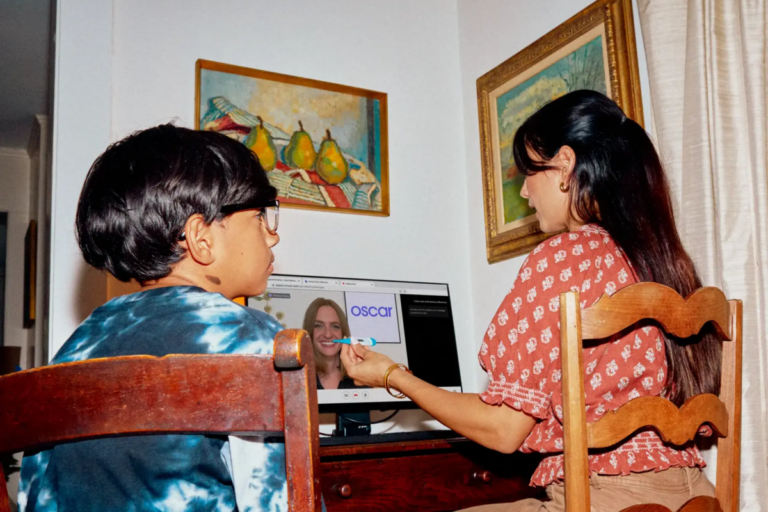
An insurance-backed digital clinic, Dreem uses Sunrise’s chin-based, certified medical device to diagnose apnea at home, measuring airflow, mandibular jaw movements, and more.
End-to-end platforms, Matt Walker’s Nightfall and Andy Galpin’s Absolute Rest personalize sleep optimization protocols without requiring long waits or referrals.
Embed. Already producing clinical results, Eight Sleep hit a $1.5B valuation while enhancing its predictive AI and pursuing medical device status en route to full-body diagnostics.
Outperforming on price, Orion’s smart mattress cover did eight figures in three months. Pushing mass access, its founder sees bed temp regulation becoming as common as A/C in five years — while Huberman predicts temperature-regulating hand/foot patches on the horizon.
Elsewhere, Withings’ FDA-cleared under-the-mattress Sleep Rx mat detects apnea, tapping Dune Health physicians for follow-up virtual care.
Equip. Hurting apnea outcomes, less than half of patients stick with CPAP use. Easier for adherence, ZeusOSA designed a chin-based e-stim device to keep the upper airway open.
For insomnia, Dusq’s behind-the-ear wearable keeps the nervous system calm overnight, while tools like SOND’s sleepbuds, Somnee’s headband, Kimba’s scent therapy system, and Prophetic’s dream-enhancing tech round out next-gen routines.
Stack. On the pharma front, Apnimed is developing a nightly pill to rewire neuromuscular pathways and fix root causes of upper airway collapse, publishing its Phase 3 trial in May.
Purchasing Centessa Pharmaceuticals for $6.3B, Eli Lilly will tackle sleep-wake disorders, including narcolepsy, and its GLP-1 Zepbound was already approved for OSA in obese patients.
Looking ahead: Sleep testing is coming home, and support systems are scaling. As emerging neuroscience strengthens consumer tech, bioadaptive stacks will help people rest easy.