Wealth is health.
Moneyball
Too often excluded from wellness conversations, money is the top stressor for 61% of Americans, disrupting sleep (66%), mental health (65%), and relationships (52%).
A catch-22, financial literacy can soothe stress but typically comes with high income and/or age, leaving just 53% of working men and 36% of women feeling financially well.
Getting Lit
Carving a niche in the $7T wellness market, empathetic fintech companies are addressing scarcity mindsets, offering practical and psychological money solutions.
Enterprise. 90% of employees say financial wellness programs should be a standard benefit. A holistic approach, Aura Finance packages mindset coaching, personalized financial planning, and automated investing.
Inventing a category, Oro scored $3M for employee housing wellness benefits spanning concierge support, credit tools, and loan programs. Serving the 67% living check to check, Rain’s earned wage access and literacy platform was last valued at $340M.
Nest egg. Addressing aging populations, Waterlily projects long-term caregiving costs for retirement planning, while UK-based Mintago launched employee elderly care support.
Keeping couples together, Monarch sells peace and clarity via an all-in-one shared dashboard.
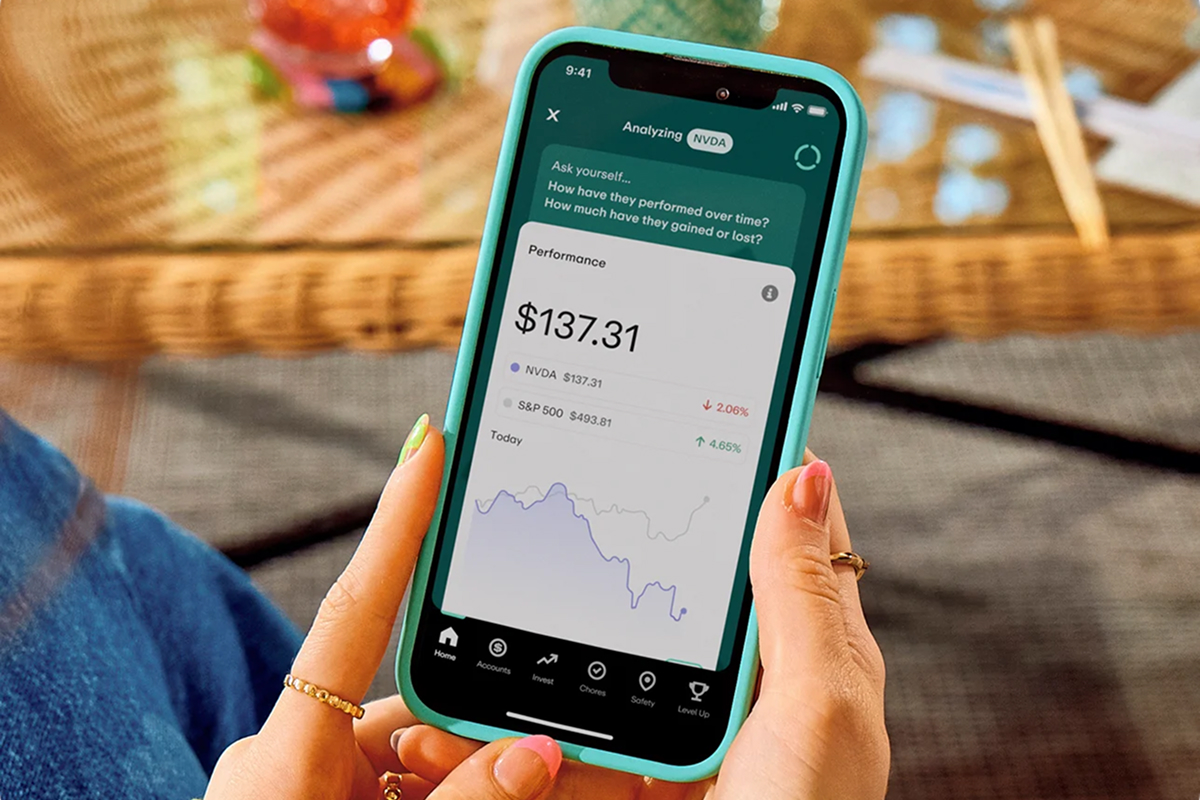
Training wheels. A shared family banking app, Greenlight serves the sandwich generation — letting parents oversee kids’ spending, pay allowance, assign chores, and teach investing while protecting seniors from scams. Yassifying UX, Cleo coaches Gen Z in its own slang, applying agentic AI to function like Oura for wallet wellness.
Citing links between finances and well-being, MrBeast’s Beast Industries acquired fintech platform Step, with plans to simplify banking for the next generation. Reaching young women, Ally tapped the WNBA and Paige Bueckers as partners, launched free “Money Roots” workshops, and debuted in-app content with Calm.
Life’s Riches
Notably, studies show money can buy happiness in the form of stress relief, but it’s often inversely related to the intangibles — a sense of meaning, purpose, value, and direction.
Consumers most commonly define money as a source of security and tool for building a desired life, not a compass. Like with wellness more broadly, most don’t want to obsess or optimize pennies, but manage wisely while spending on joy — the #1 purchase driver in 2026.
Punchline: Money stress hits across tax brackets. True poverty is a separate story, but for mid- to upper-class worriers, financial wellness is a largely unsolved psychological burden. As economic nihilism pushes consumers to chase fast returns from sports betting, crypto, and prediction markets, new platforms could provide structure for patience.