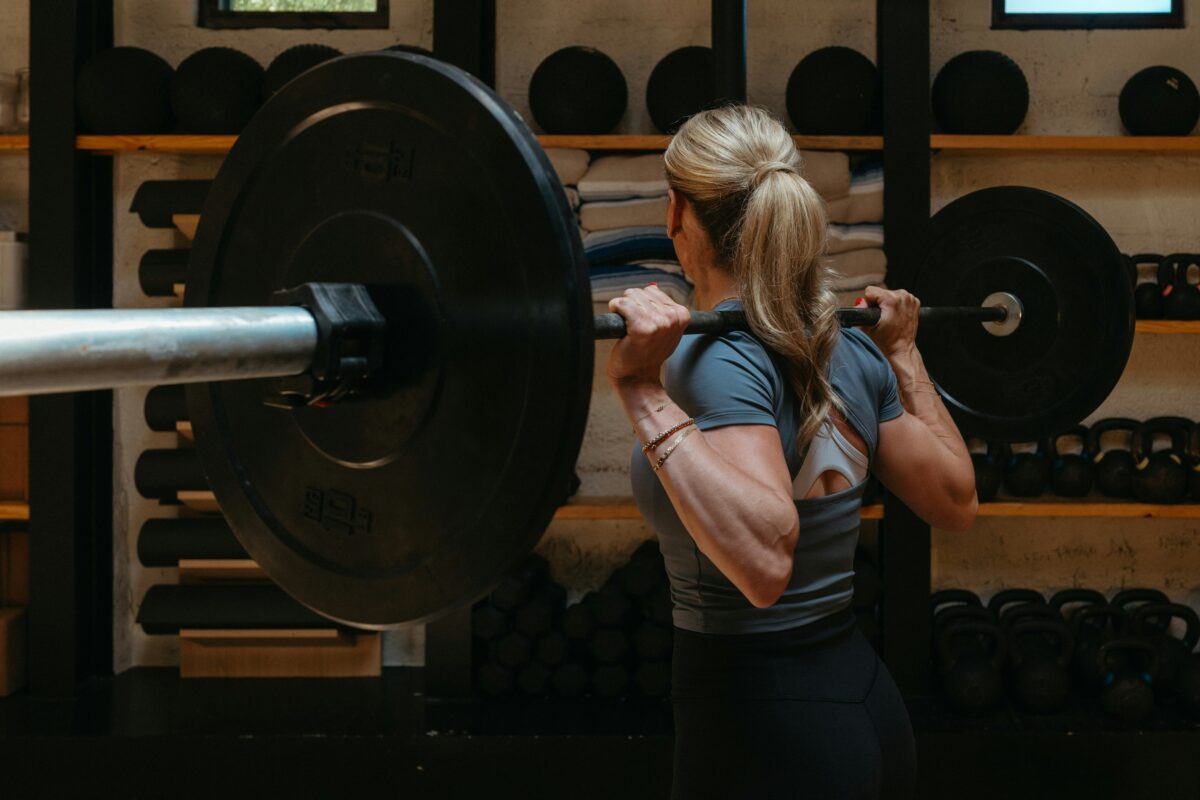
Females are finally stepping into their strength.
Reissue. The National Strength and Conditioning Association (NSCA) published new position statements on women’s training, revising performance guidelines for the first time since 1989.
Retraction. Researchers argue females have been painted as overly fragile, when progressive overload is a universal principle. Debunking discrepancies, they say performance gaps attributed to biology often reflect lack of education, investment, and same-sex coaches.
Missing links. Girls across nations reported lower self-efficacy than boys, citing societal pressure, poor support systems, and fear of judgement as barriers. Highlighting the impact of representation, having role models they perceive as similar boosts self-belief. Moving forward, the researchers call for a biopsychosocial lens on women’s research and training.
XX factors. With issues like RED-S still widespread, hormone awareness factors in, but evidence for cycle-syncing is thin. A period of heightened neuroplasticity, prepubertal years are key to foundational movement health, while pregnancy and perimenopause call for modifications.
Takeaway: When it comes to fitness, women are undertrained, not overworked. Historically atrophied by lack of proper protocols and sociocultural support, their potential both as exercisers and category consumers is just getting started.