Activewear brands are fighting for relevance.
Fit Check
Up 17%, wellness spending intent remains higher than most categories, and 94% of wellness consumers buy clothes to move in. An ongoing need, a third of activewear dollars go toward replacement items.
Per BCG, “identity-in-transition” has catalyzed the sector’s continued expansion, with consumers 31% more likely to purchase activewear amid changing self-concept.
Land Grab
A key window, 60% are open to trying unfamiliar brands when outfitting their new identity, making wellness’s growth an opportune moment for upstarts.
But as activewear slows from double digits to ~5% CAGR, legacy labels are struggling to keep pace, sparking new partnerships and narratives.
Nike. After shedding $200B in market cap, Nike fell out of the S&P 100, with its monolithic nature sabotaging success in a fragmented landscape. Going hyperlocal to feel less corporate, it debuted a Crenshaw rec center and is creating youth sport pipelines. Mixing signals, its “athlete-first” stance is muddled by collabs with SKIMS and sororities.
lulu. Lacking distinction, lululemon’s stock hit an eight-year low after weak earnings, slashing its full-year outlook as leggings sales dropped ~20% due to Gen Z’s affinity for baggy silhouettes. It’s now tapping ex-Nike exec Heidi O’Neill as CEO for turnaround strategy.
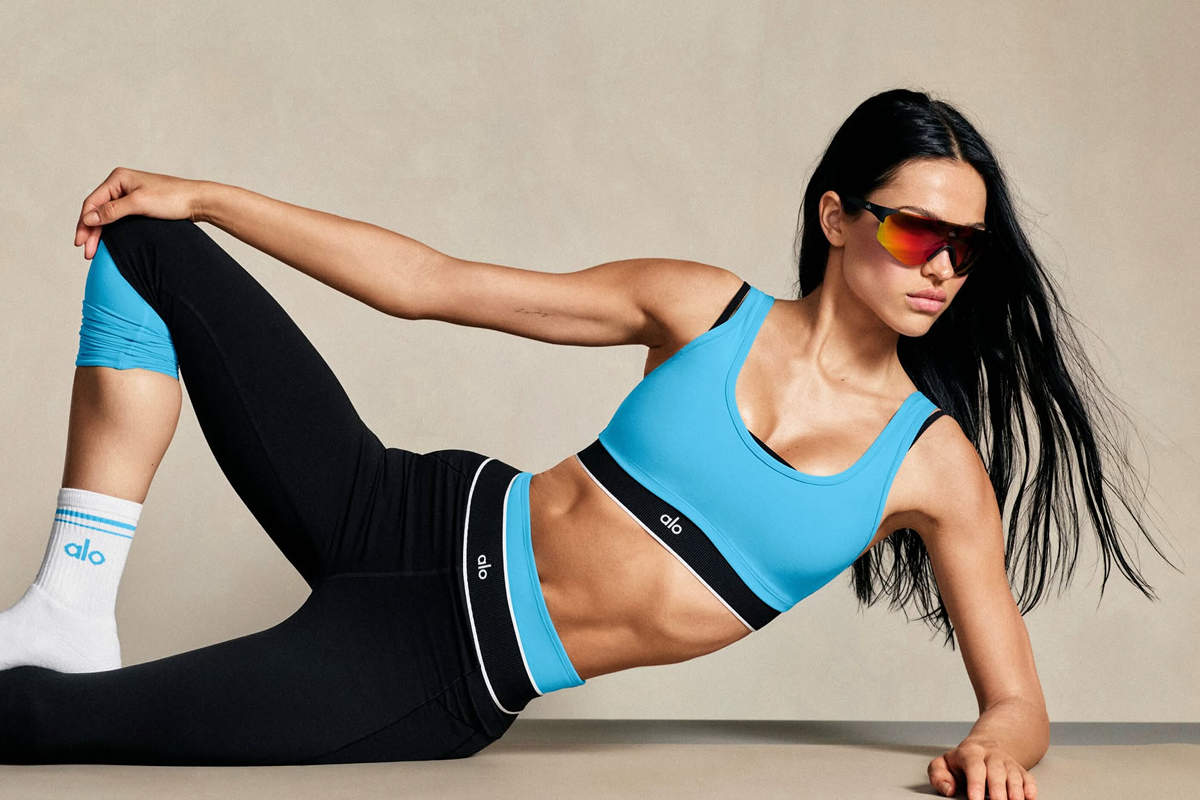
Alo. Choosing Kylie Jenner and Bella Hadid to front its latest launch, Alo’s not-so-subtly advertising a wealthy leisure lifestyle over ultrafitness — upselling lulu’s original persona with evolved aspirations through marketing tactics like a branded yacht and influencer gym.
On. Challenging Alo’s aesthetics of luxury, On dreamed up a premium, avant-garde alternative for “The Movement Class.” Cosigned by both elite athletes and artists like Zendaya and Burna Boy, it’s leveraging partnerships with Erewhon and Loewe to validate its cultural status.
Athleta. All-in on women, Athleta’s taking a clear social stance to stand out, hoping to reap halo benefits of its parent company Gap’s cultural comeback. Promising to be bolder, it’s building a “female-first world” and popped up at Olivia Rodrigo’s feminist music festival.
Vuori. Elevating comfort, Vuori is selling the West Coast lifestyle, expanding casual clothing by launching jeans while tapping Tom Holland to rep its golf wear. With ballet styles gaining steam, Chase Infiniti is fronting its dance-forward drop, matching moves like adidas x Jennie, Nike x Lisa, and On x FKA twigs.
adidas. Expensive World Cup spend cut into Q2 profit and made Wall Street flinch, but adidas earned record sales and cultural cachet from Timothée Chalamet, Bad Bunny, and Trinity Rodman — plus footballers Messi, Yamal, and Bellingham.
Rounding out the old guard, Under Armour separated from Steph Curry and Dwayne Johnson but signed Gunna—a rapper open about his weight loss journey—while Reebok tapped millennial nostalgia with Hilary Duff, who’s also the buzzy new face of training app Ladder.
Punchline: As upstarts build wellness-centered worlds around unclaimed personas—from high-performers and hedonists to connoisseurs and luddites—legacy brands are looking to define, defend, and expand their turf.