AI coaches can’t automate accountability.
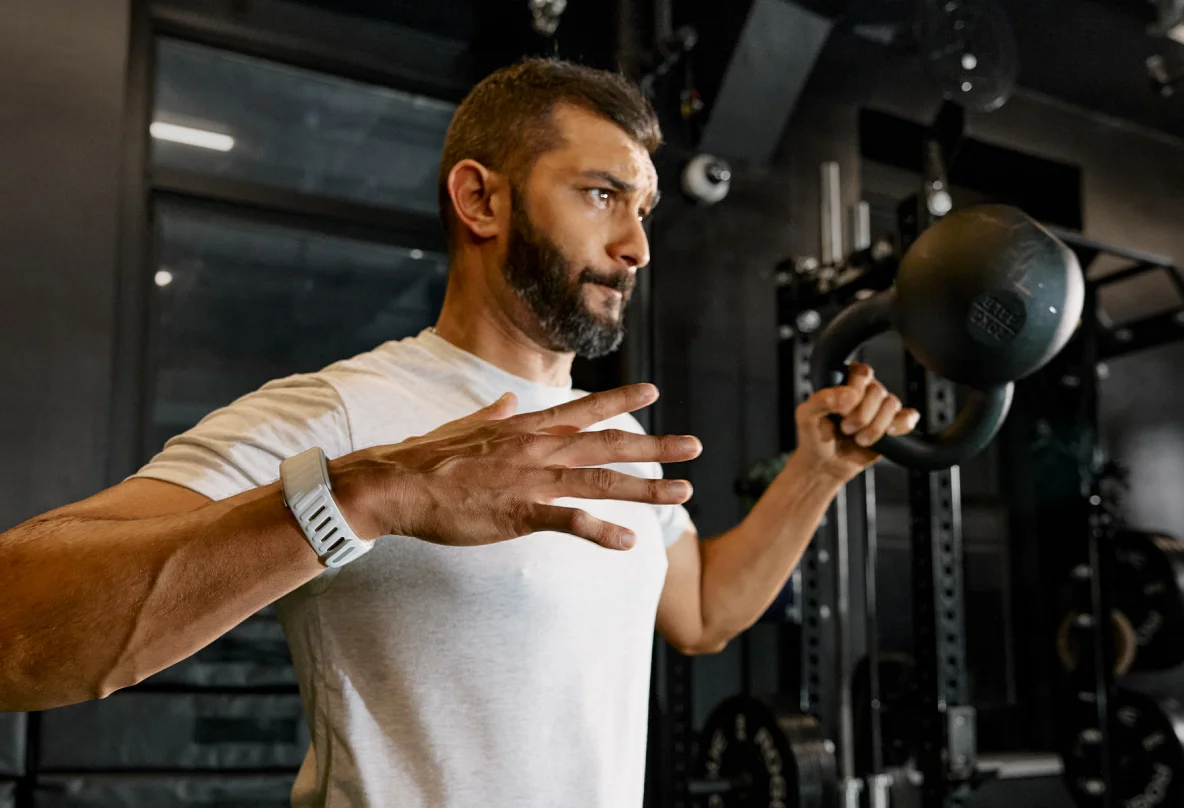
Tech support. A digital spotter, two-thirds of exercisers have used AI-powered fitness platforms, with a third using apps for every workout.
Tracking sets, receiving form feedback, and building programs for strength and longevity, cross-generational comfort with automated coaching is growing.
Critical mass. As wearables like WHOOP, Amazfit, and Fort monitor muscular load and AI coaches multiply, consumers are buying into full-stack programs. A bigger threat to digital-first fitness, some are using code from Anthropic’s Claude to design PT apps on par.
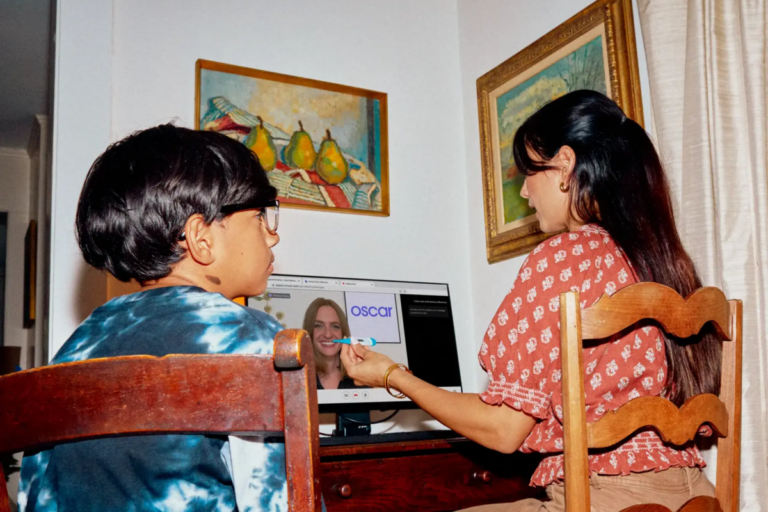
With 53% of younger gens believing they could be their own doctor with the right tools, and 55% outsourcing mental health, human trainers face similar existential questions as clinicians do.
Irreplaceable. A counter, for accountability and empathy, just 10% of consumers would pick AI only. A case for integration, humans in the loop make robo-trainers more effective — and some platforms are putting that to the test.
Promoting its Assistant Coach to a full-time role, Future’s AI training tier is in beta, with its 1:1 PTs going premium. Adding a human touch, Peloton partnered with Trainwell’s network to build on- and off-equipment programs.
Looking ahead: While AI infrastructure democratizes progressive instruction for the masses, human inputs supercharge the experience — meaning the future of training isn’t an either/or.